
logologo
  • Home
  • Learning Programs
    • Short & Long Courses
    • Online Learning and Product Development
    • Knowledge Platforms
    • Advisory around Capacity Development (CapDev)
    • Training Calendar
  • Scholars & Youth Engagement
    • Degree Program
    • Non-degree Program
    • Scholarships
October 21, 2026 by cedric gotera News & Events 0 comments

Measuring emissions, advancing climate action: IRRI trains rice-sector professionals in GHG measurement

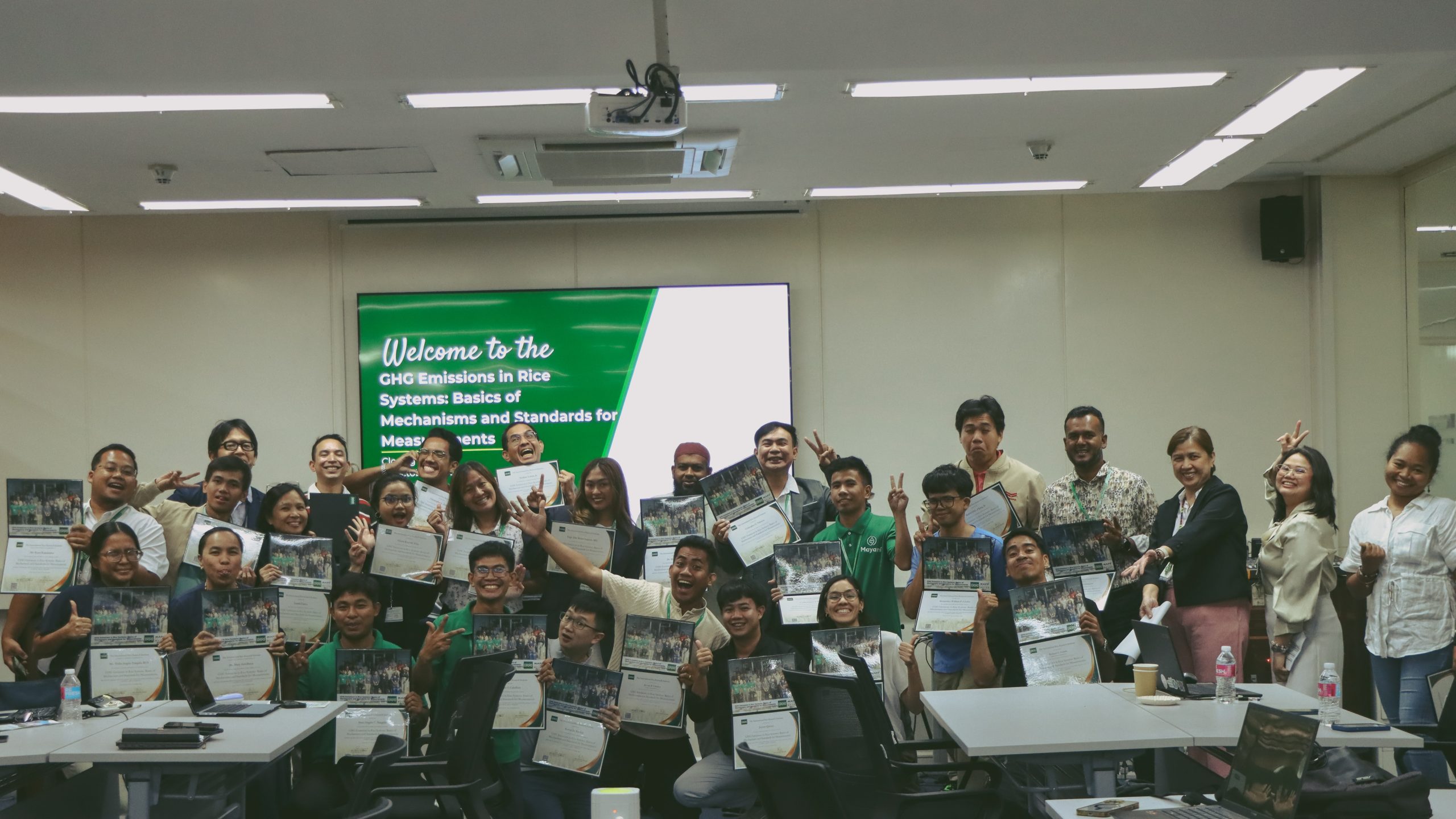
LOS BAÑOS, Philippines — As the global rice sector works toward more sustainable and climate-resilient production, accurately measuring greenhouse gas (GHG) emissions is becoming increasingly important. To strengthen the capacity of professionals working at the intersection of rice production and climate action, IRRI conducted the training course GHG Emissions in Rice Systems: Basics of Mechanisms and Standards for Measurements from September 28 to October 1, 2026, at the International Rice Research Institute (IRRI) headquarters. 

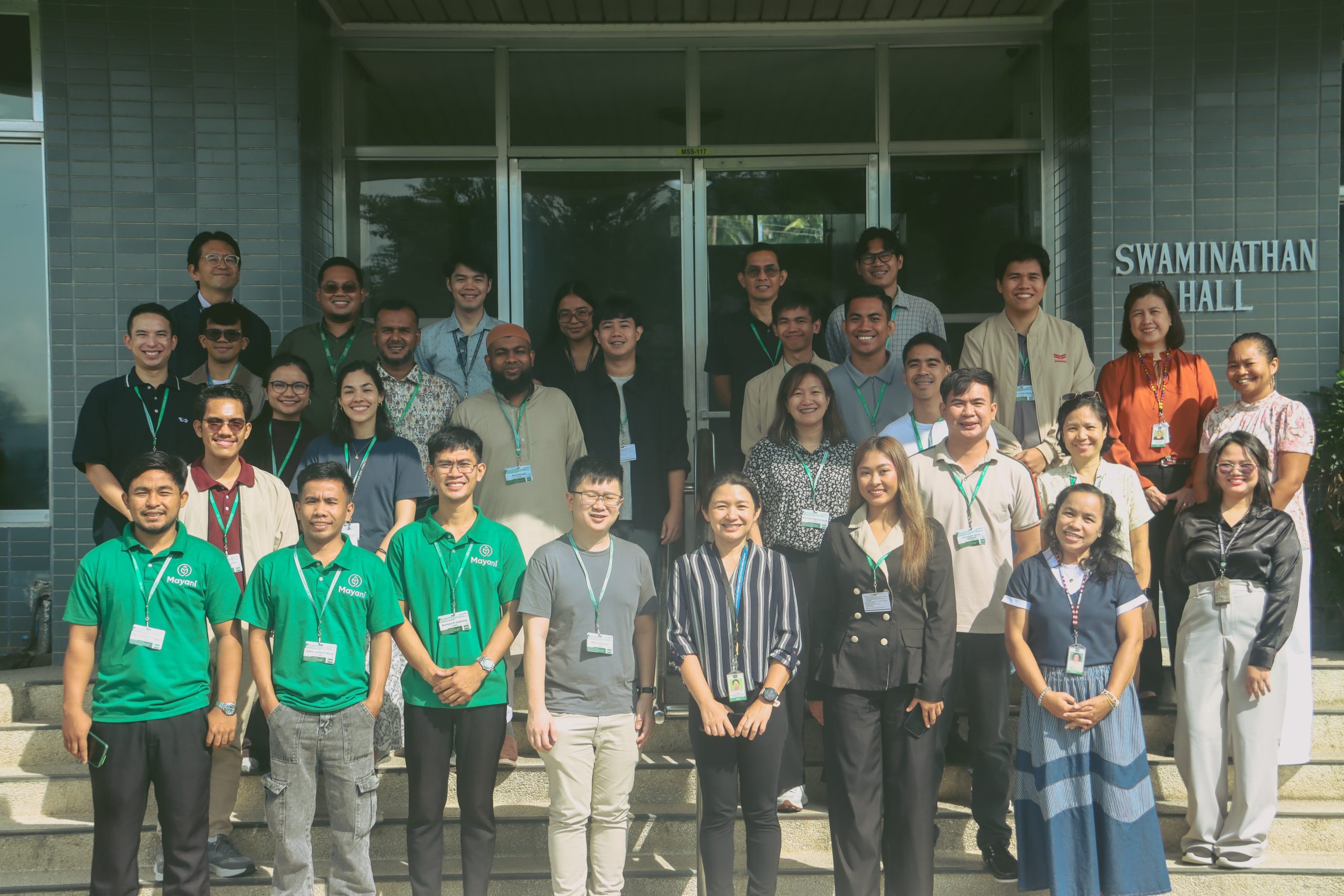
Supported by Japan’s Ministry of Agriculture, Forestry and Fisheries (MAFF), the four-day training brought together 21 participants from six countries: the Philippines, Bangladesh, Mexico, Indonesia, Nepal, and Singapore. The cohort included researchers, graduate students, agricultural engineers, greenhouse gas specialists, monitoring and compliance professionals, and practitioners involved in sustainable agriculture and carbon projects. 

Through lectures, field demonstrations, laboratory exercises, and case studies, participants explored the science behind GHG emissions in rice systems and developed practical knowledge of the methods used to measure, analyze, and report emissions. The course aimed to strengthen their ability to generate reliable data that can support effective mitigation strategies and more sustainable rice production. 
From understanding emissions to measuring climate impact

Rice production can contribute to greenhouse gas emissions, particularly methane, making emissions measurement an important component of climate change mitigation. Reliable measurements help establish credible baselines, assess the environmental benefits of mitigation practices, and support monitoring, reporting, and verification (MRV) systems for rice-based projects. 

Guided by IRRI scientists and technical specialists, participants explored the mechanisms and drivers of GHG emissions under different rice production systems, climate change mitigation strategies, international measurement standards, and the principles behind emissions quantification. 

The program also covered the Intergovernmental Panel on Climate Change (IPCC) Guidelines for National Greenhouse Gas Inventories, field experimental design, gas sampling procedures, laboratory analysis, data quality assurance, emissions calculations, and reporting. 

By connecting scientific principles with established measurement standards, the training emphasized the importance of producing accurate and credible emissions data. These skills are particularly relevant to researchers and practitioners working on alternate wetting and drying (AWD), low-carbon rice production, and carbon-crediting initiatives.

Bringing GHG science from the field to the laboratory

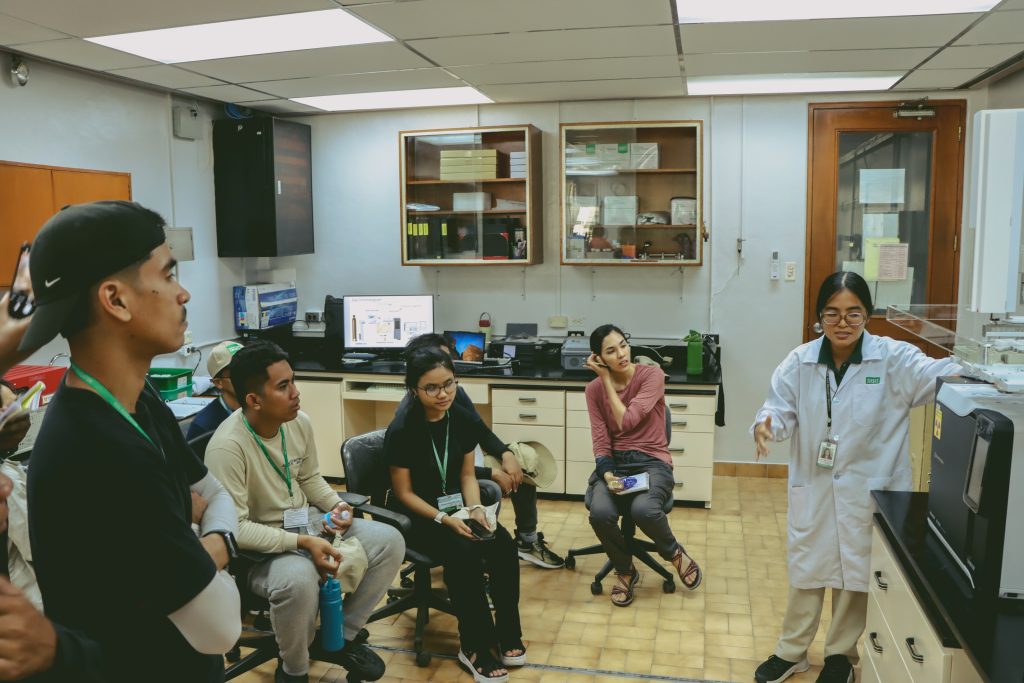
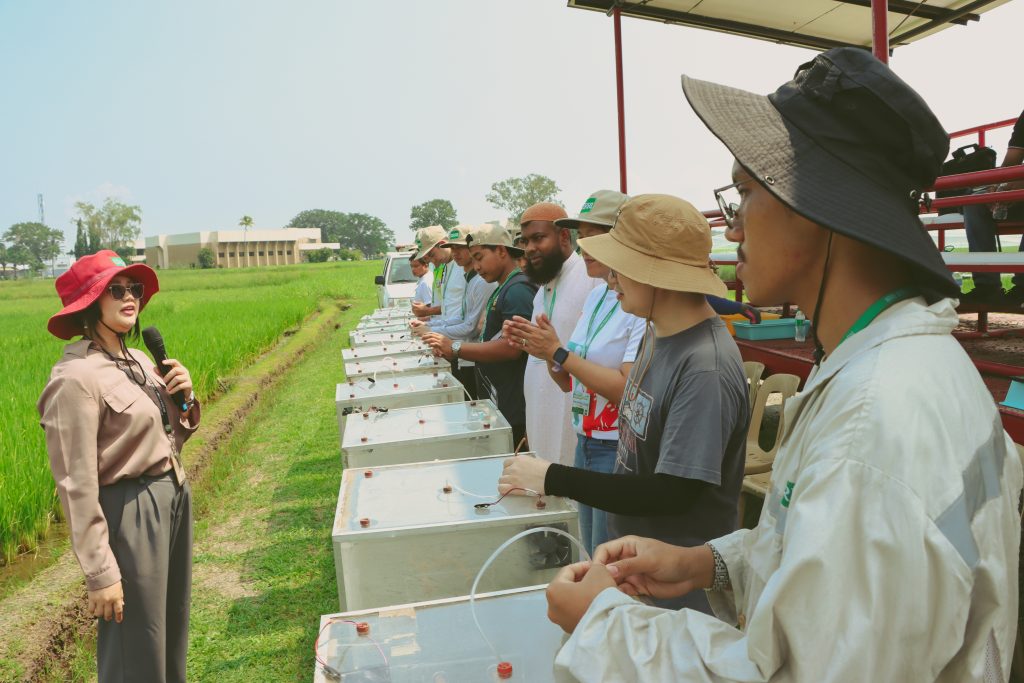
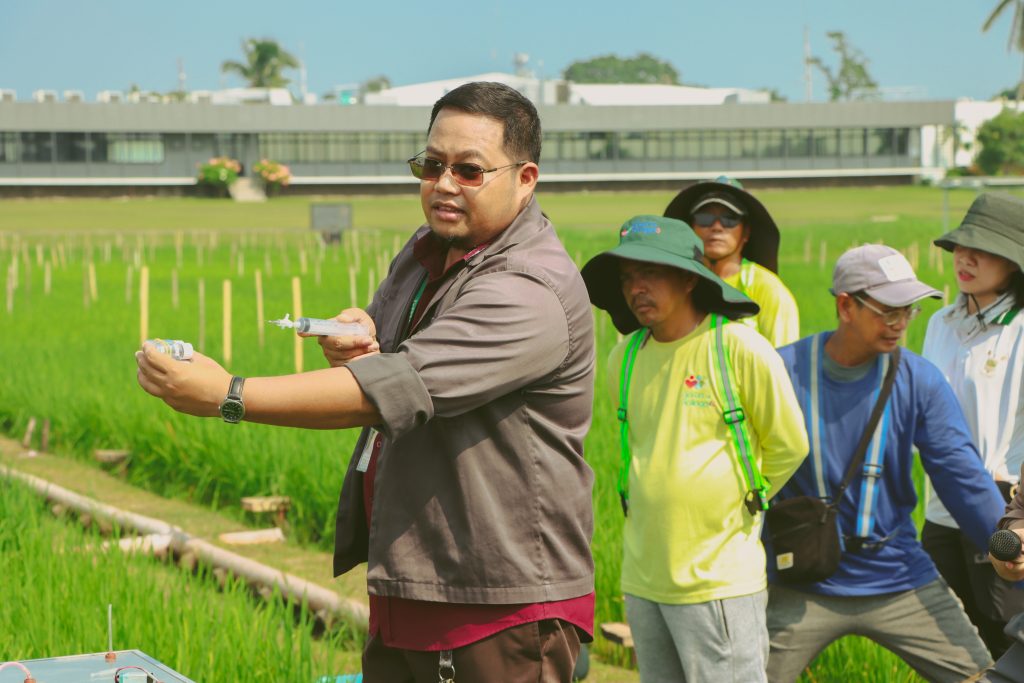
A defining feature of the course was its emphasis on practical, hands-on learning. Participants moved beyond classroom discussions to experience the different stages of GHG measurement, from field preparation and gas sampling to laboratory analysis and data interpretation. 

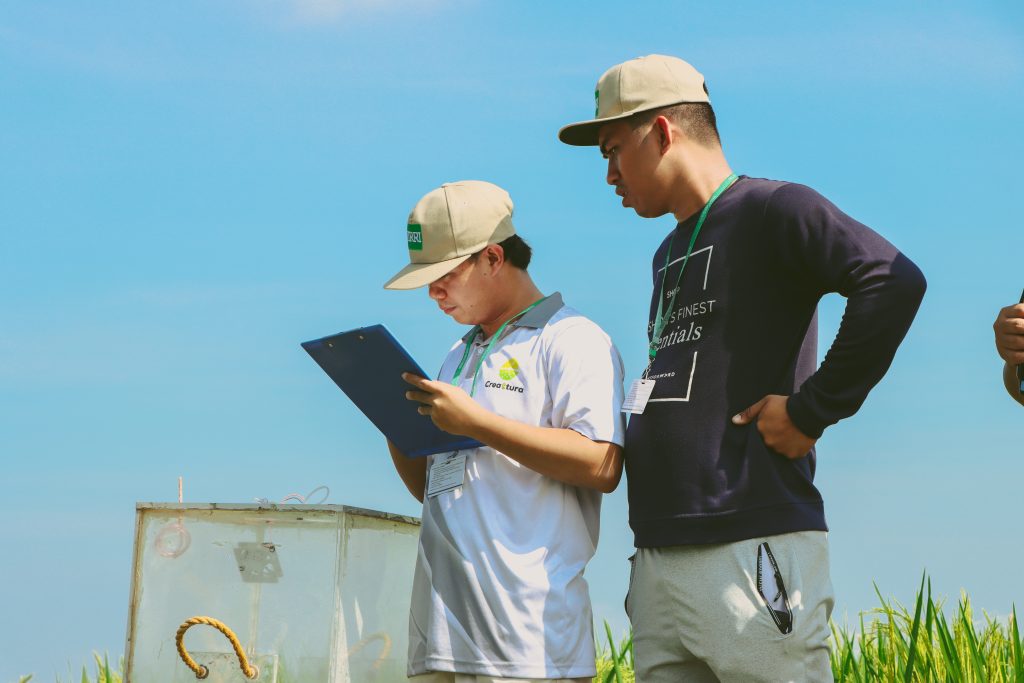
During field demonstrations, participants learned how to install sampling equipment, measure water levels, and collect gas samples from rice fields. They then explored laboratory procedures, including gas chromatography, to understand how collected samples are analyzed to quantify GHG emissions. 

The training also introduced participants to data management and quality assurance principles, GHG flux calculations, seasonal emissions estimation, and the use of the GET application for emissions analysis. Through group case studies, they applied their learning to experimental study design, analysis of existing data, and the use of field survey data. 

This integrated approach helped participants understand how each stage of the measurement process contributes to reliable emissions estimates. It also highlighted the importance of maintaining data quality and following appropriate protocols when assessing the effectiveness of climate mitigation interventions. 

For one participant working in monitoring, reporting, and compliance at Creattura Philippines Inc., the experience offered a valuable opportunity to connect project implementation with the scientific processes behind emissions measurement. 

The participant shared: 

“From learning about the mechanisms and drivers of GHG emissions, mitigation practices, and MRV technologies, to actually setting up the field equipment, measuring water levels, conducting gas sampling, experiencing gas chromatography in the laboratory, and processing and interpreting GHG data, every activity gave me a deeper appreciation of how field measurements are connected to laboratory analysis and final emission estimates.” 

The participant added that the training helped develop practical skills, confidence, and a better understanding of the work involved in GHG monitoring and measurement.


Connecting research, carbon projects, and farmers’ realities 

The course brought together professionals with different responsibilities across the rice sector, creating opportunities to exchange perspectives on the scientific, technical, and operational aspects of GHG mitigation. 

For participants involved in AWD implementation and monitoring, the training provided relevant knowledge for collecting field data, documenting project activities, and evaluating the environmental benefits of water-management practices. For those working in carbon projects, it strengthened their understanding of the scientific foundations of emissions quantification and MRV requirements. 

Beyond technical learning, participants also reflected on the importance of making climate mitigation strategies practical and responsive to farmers’ needs. 

One participant working on GHG mitigation projects in rice systems shared that the course helped connect day-to-day project activities with the broader science behind emissions and mitigation. Reflecting on the field activities, the participant said: 

“Being in the field and experiencing firsthand some of the realities and challenges faced by farmers was very humbling and gave me a different perspective on how we design and implement our projects.” 

The participant emphasized the importance of ensuring that GHG mitigation efforts are “scientifically sound, practical, and realistic for farmers.” 

These reflections underscore a central lesson of the training: effective climate action requires more than accurate measurements. It also requires translating scientific evidence into approaches that can be implemented under actual farming conditions and that account for the needs of agricultural communities.

Building capacity for low-carbon rice systems

The September 2026 training marked the fifth implementation of the course, which was first offered in 2024 and conducted twice in 2025. Earlier in 2026, IRRI also delivered an in-depth Gas Chromatography Training for Accurate Measurement and Analysis, further strengthening its capacity-development initiatives in GHG measurement. 

As rice-producing countries and agricultural organizations pursue more sustainable production systems, strengthening technical capacity in emissions measurement remains essential. Reliable data can help researchers evaluate mitigation interventions, support carbon-accounting initiatives, and inform decisions on climate-resilient agricultural practices. 

Through initiatives supported by MAFF, IRRI Education continues to provide learning opportunities that connect research, technical expertise, and practical applications across the rice sector. 

The 21 participants leave the training with strengthened knowledge of GHG measurement standards, hands-on experience in sampling and analysis, and a deeper appreciation of how credible scientific data can support climate action. 

Ultimately, measuring emissions is not simply a technical exercise. It is an important step toward understanding the environmental impacts of rice production, improving mitigation strategies, and building rice-based systems that are more sustainable, resilient, and responsive to the challenges of a changing climate. 

Interested in similar training opportunities? Visit education.irri.org to learn more or email us at irri-education@cgiar.org.

agricultural development capacity building IRRI training
0
IRRI Education concludes its first training in Africa on Quality Seed ProductionPrevious Post
Rice researchers turn hands-on training into action against pests and diseasesNext Post

SIGN UP FOR NEWSLETTER

Receive our latest updates

/* real people should not fill this in and expect good things - do not remove this or risk form bot signups */

CONTACTS

IRRI HQ Location:
Los Baños, Laguna 4031, Philippines
Phone: +63 2 8580 5600, +63 2 8845 0563;
ISARC Office Location:
NSRTC Campus, G. T. Road, Collectry Farm, P.O. Industrial Estate, Varanasi-221006, Uttar Pradesh, India
Phone: +91-0542-2518901, +91-0542-2518900
Email: irri-education@cgiar.org

KNOWLEDGE HUBS

IRRI
CGIAR
Openlearning
Rice Knowledge Bank
CGIAR’s Gender, Diversity and Inclusion Knowledge Hub

QUICK LINKS

  • About Us
  • News & Events
  • Guestbook
  • FAQs
  • Institutional CapDev Facilities

Engage with Us


IRRI-CGIAR logo

Privacy & CookiesLegal NoticeCreative Commons© 2022 IRRI Education. All Rights Reserved

  • Login
Forgot Password?
Lost your password? Please enter your username or email address. You will receive a link to create a new password via email.
Please enter a new password
body::-webkit-scrollbar { width: 7px; } body::-webkit-scrollbar-track { border-radius: 10px; background: #f0f0f0; } body::-webkit-scrollbar-thumb { border-radius: 50px; background: #dfdbdb }

    We would like to hear from you!