

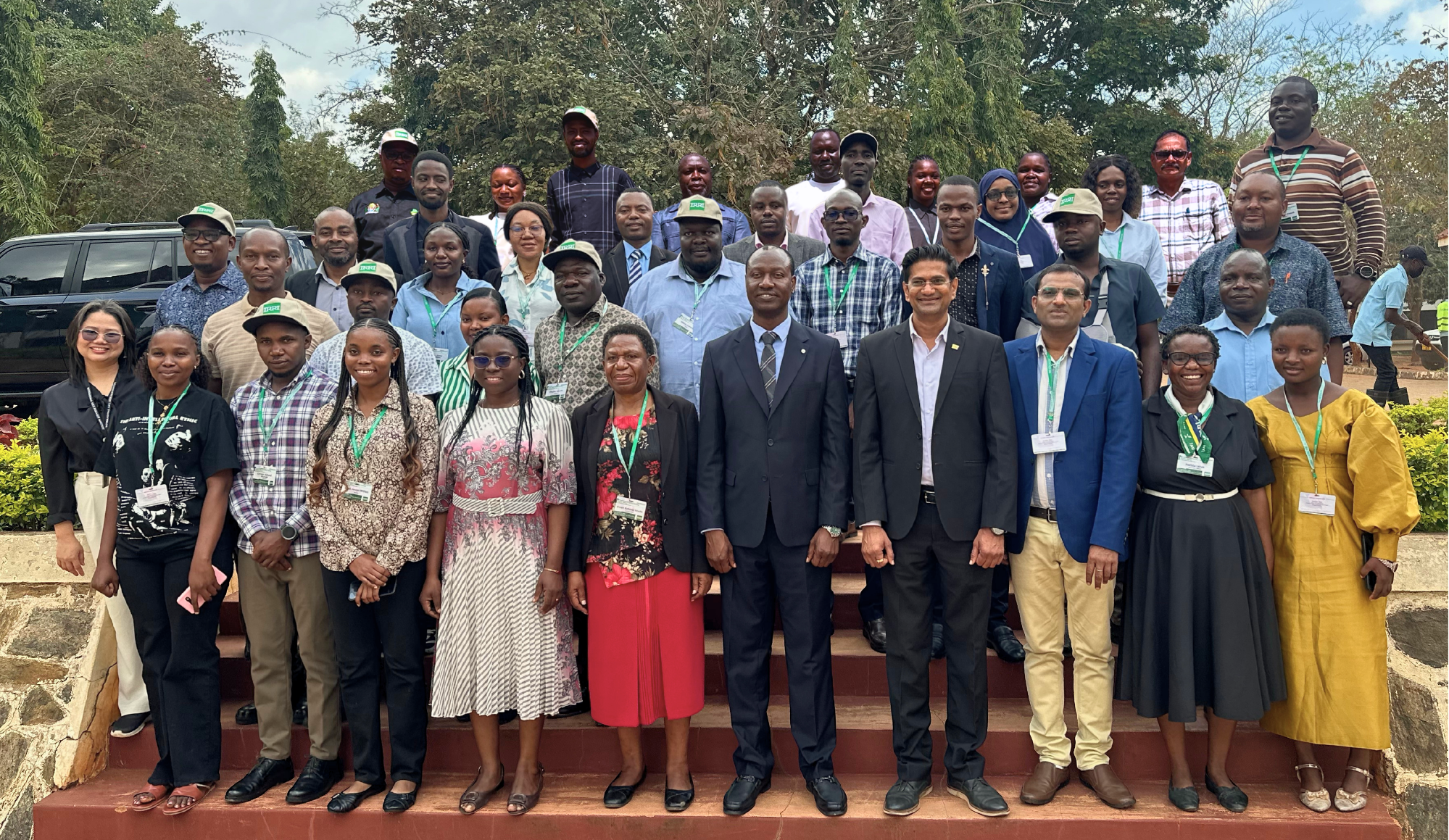
What does it take to produce quality seeds that can support better harvests and stronger rice systems? For 24 agricultural professionals from six countries, answering this question meant going beyond the science of seeds and into the practical realities of producing, protecting, testing, and certifying them.
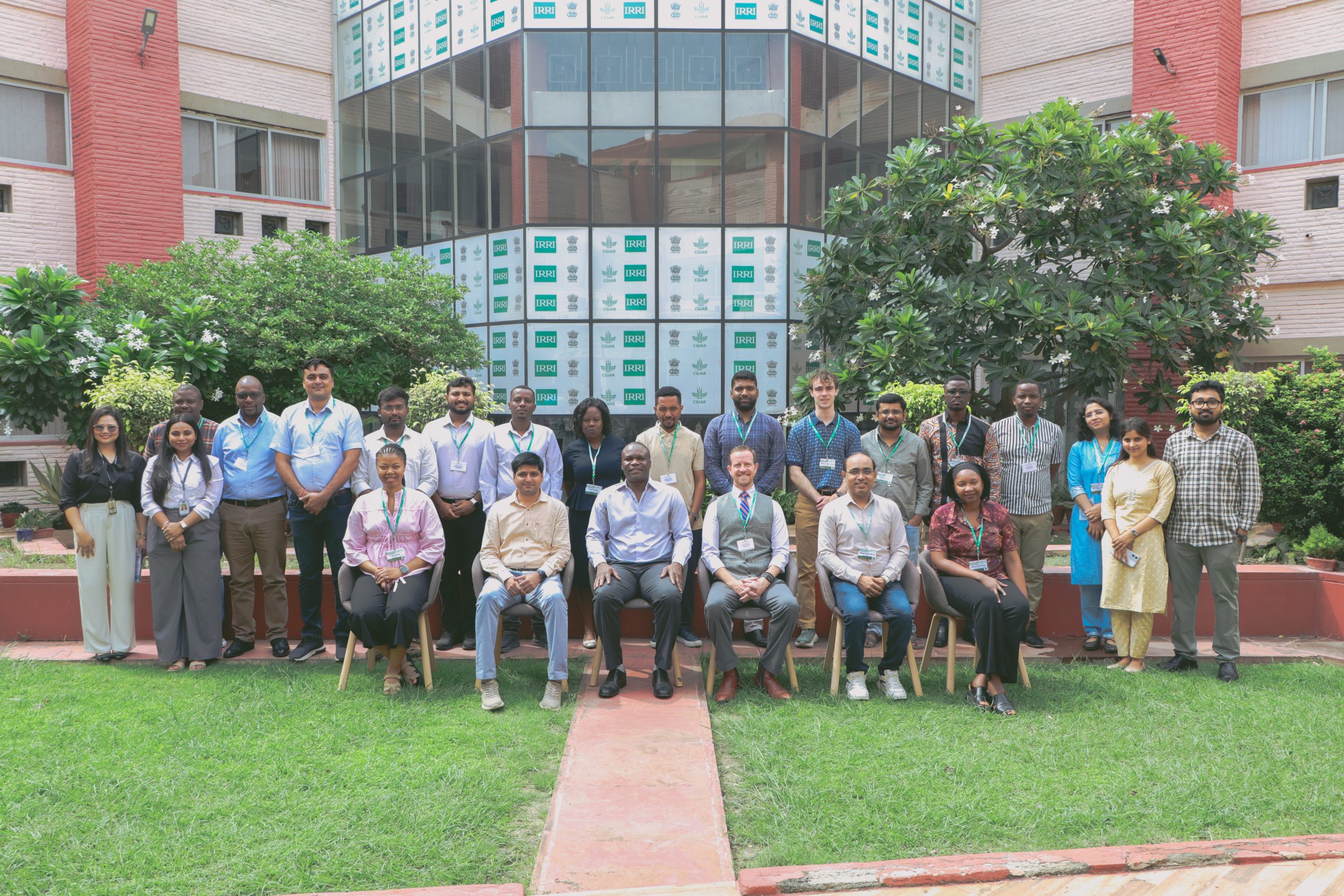
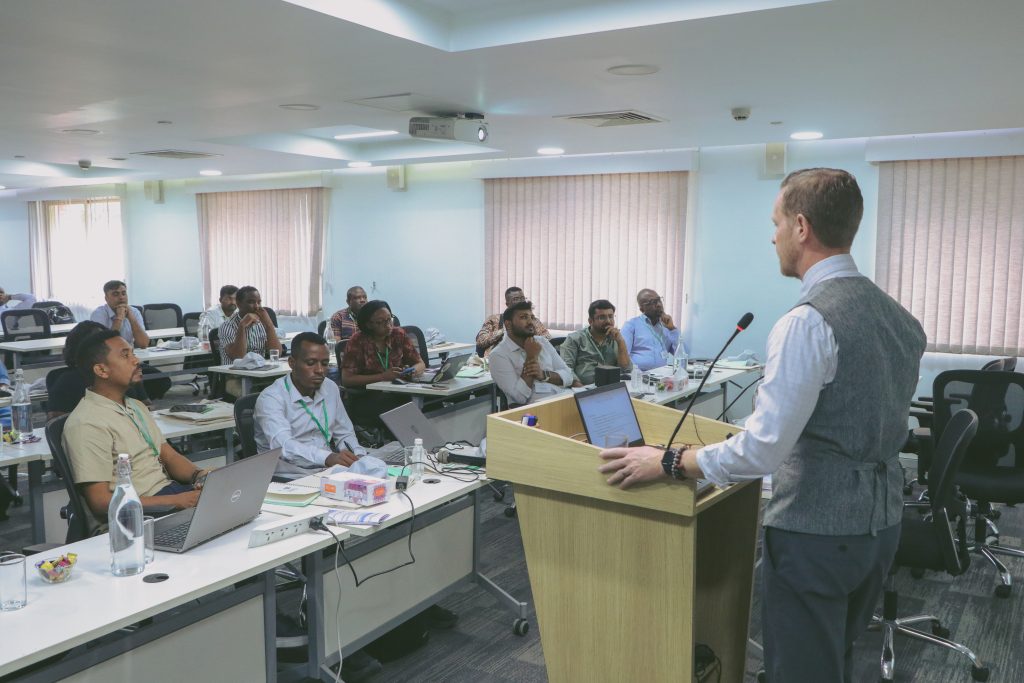
From 7–11 September 2026, IRRI Education conducted its Quality Seed Production Training Course at the Sokoine University of Agriculture (SUA) in Morogoro, Tanzania)—marking the first-ever training conducted by IRRI Education in Africa. The course was implemented in partnership with SUA together with invited resource persons from Tanzania Agricultural Research Institute (TARI), Tanzania Official Seed Certification Institute (TOSCI), and Agricultural Seed Agency (ASA).
The five-day training brought together participants from Tanzania, Sierra Leone, Kenya, Zimbabwe, India and Benin, representing research institutions, universities, seed agencies, private organizations, women group, and other agricultural institutions.
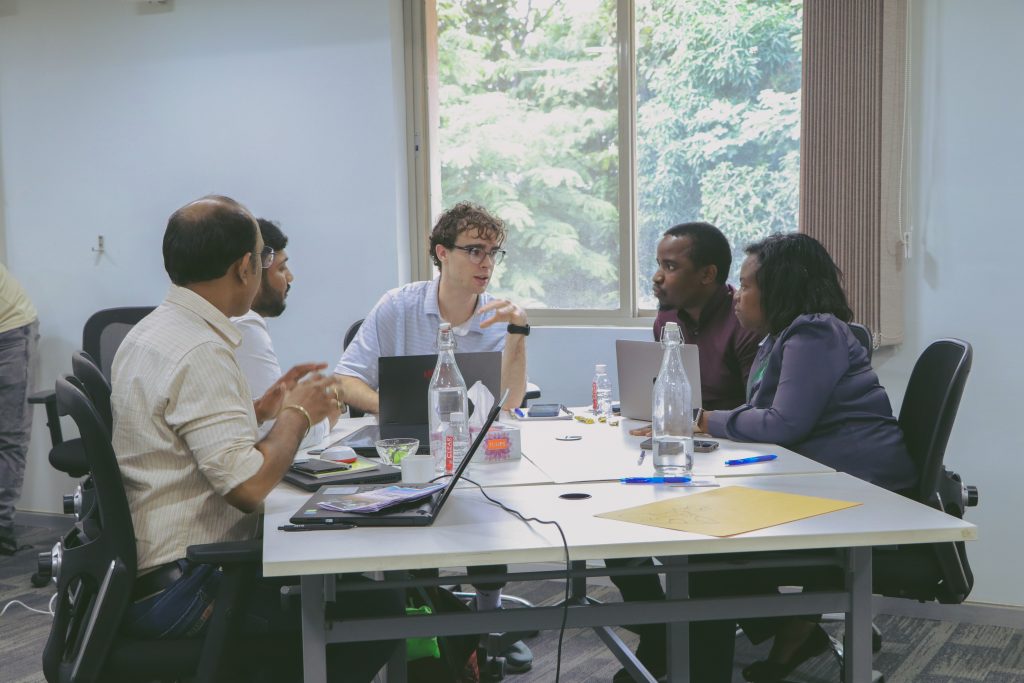
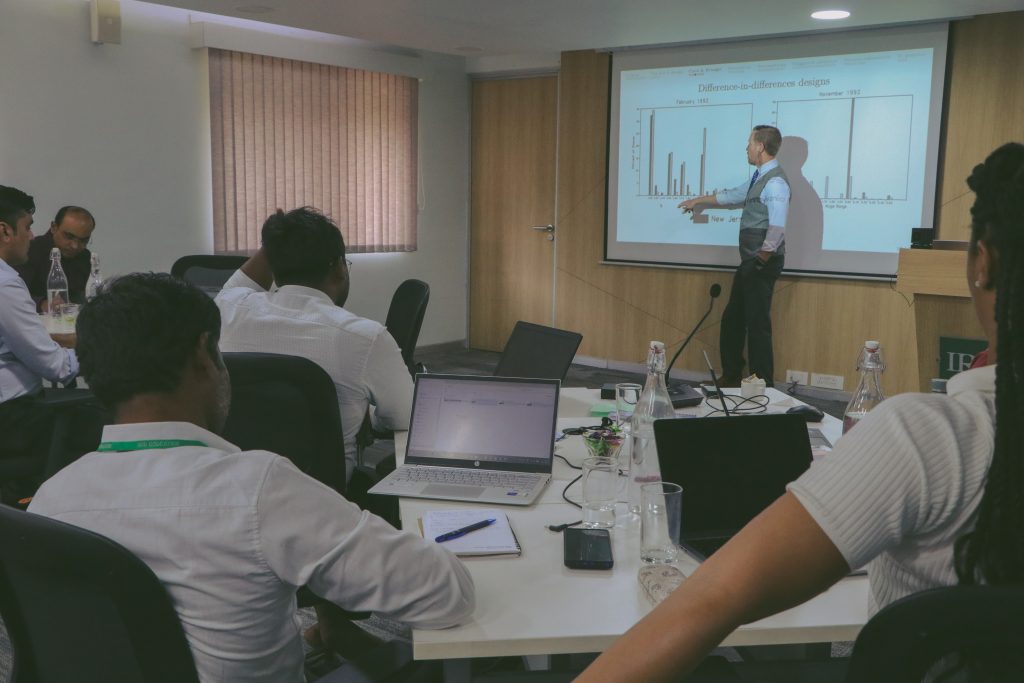
More than technical training, the course created a space for professionals from different countries and sectors to strengthen the knowledge and practical skills needed to support quality rice seed production.
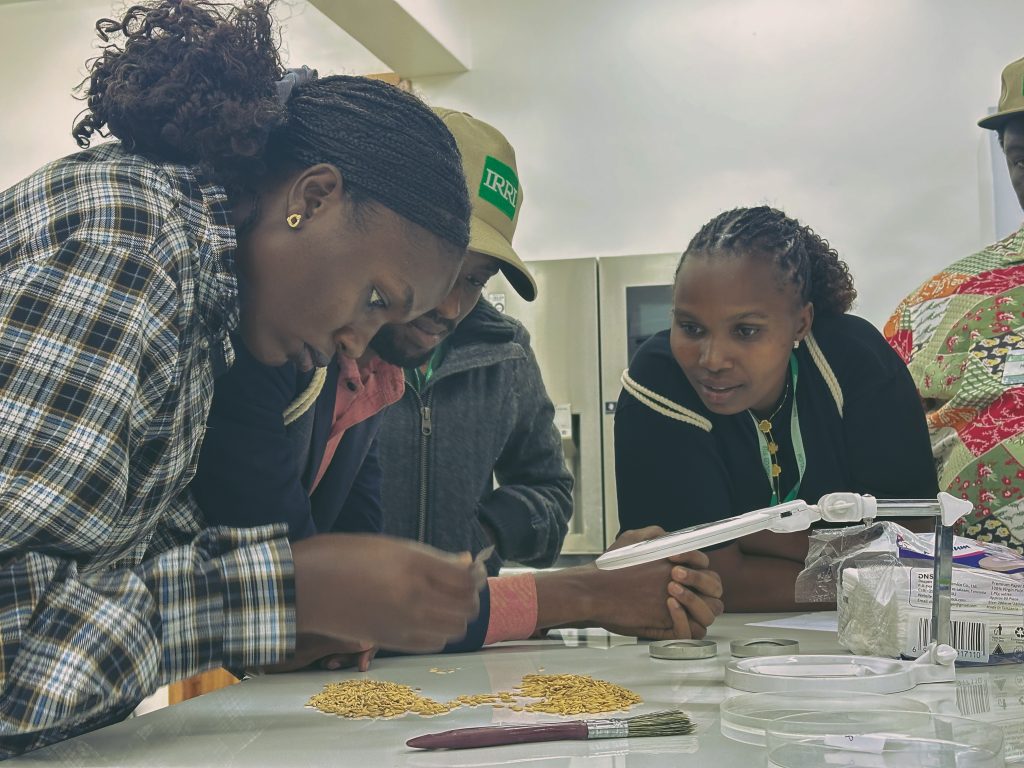
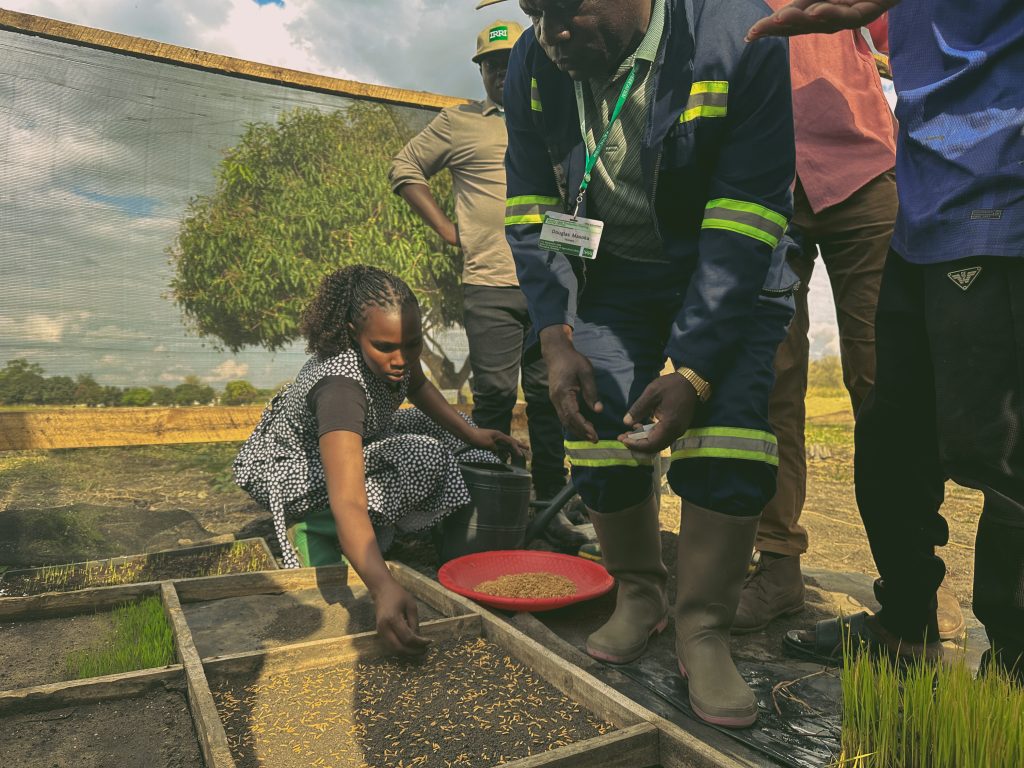
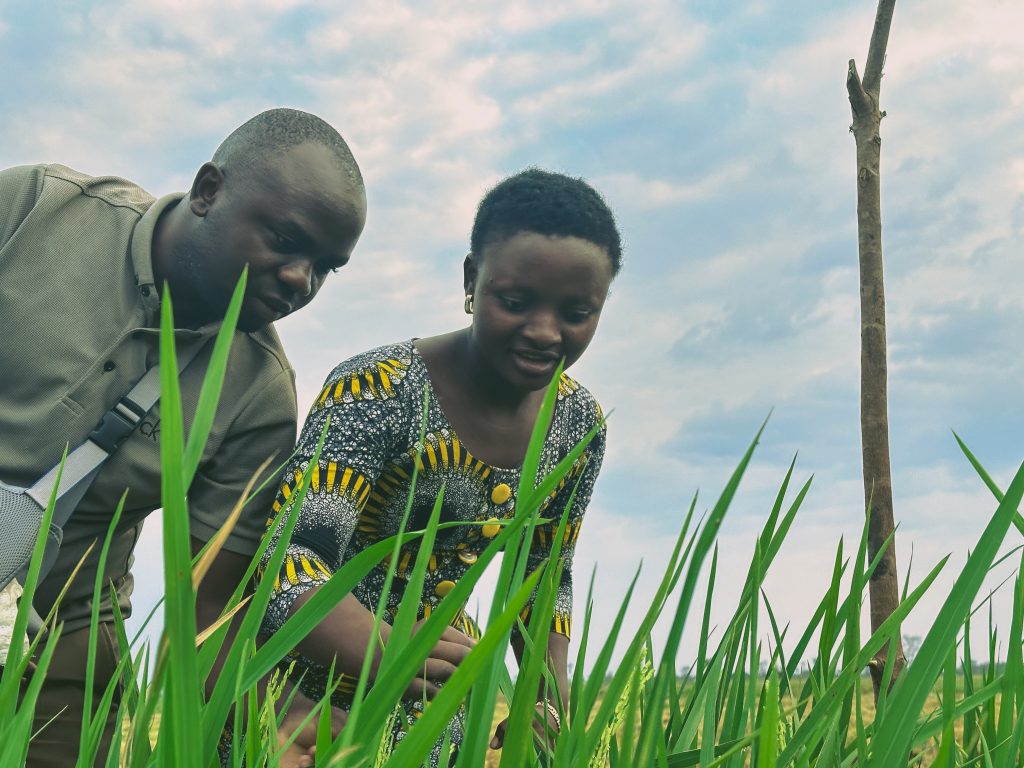
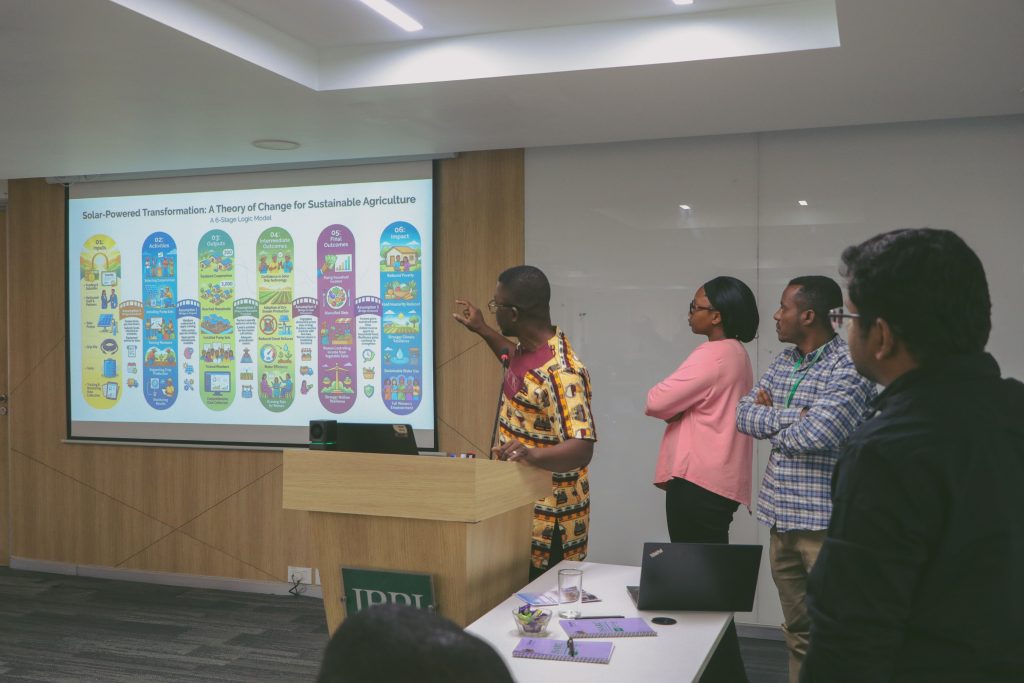
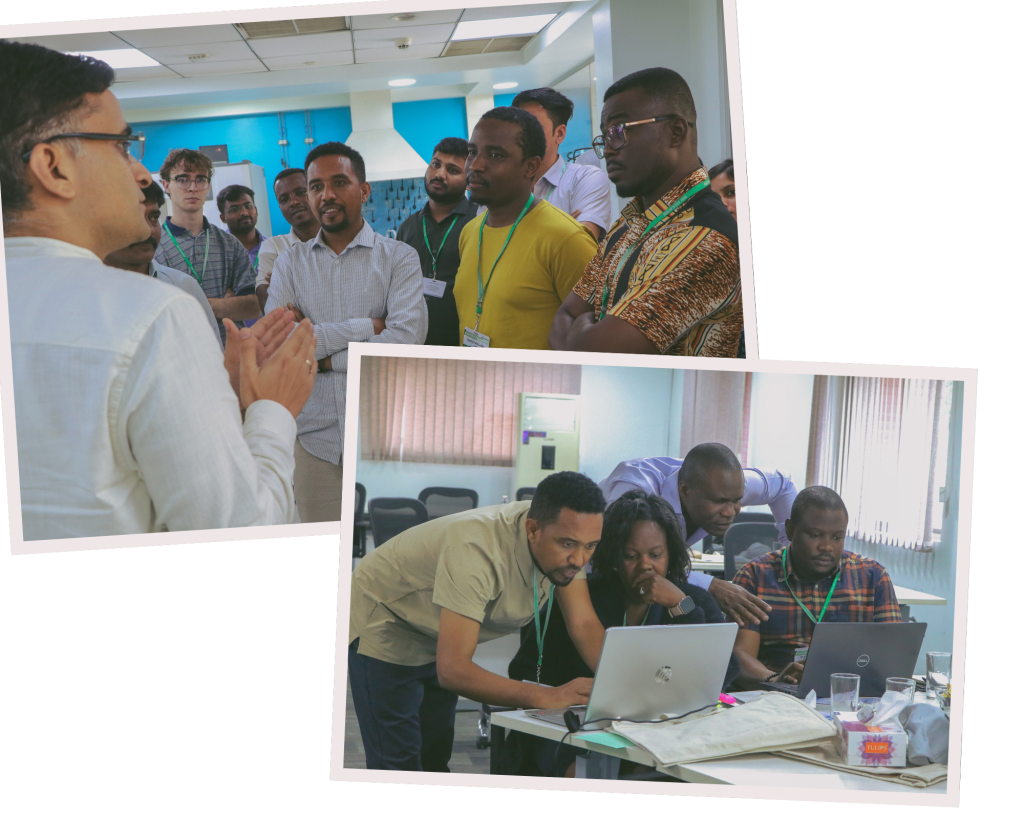
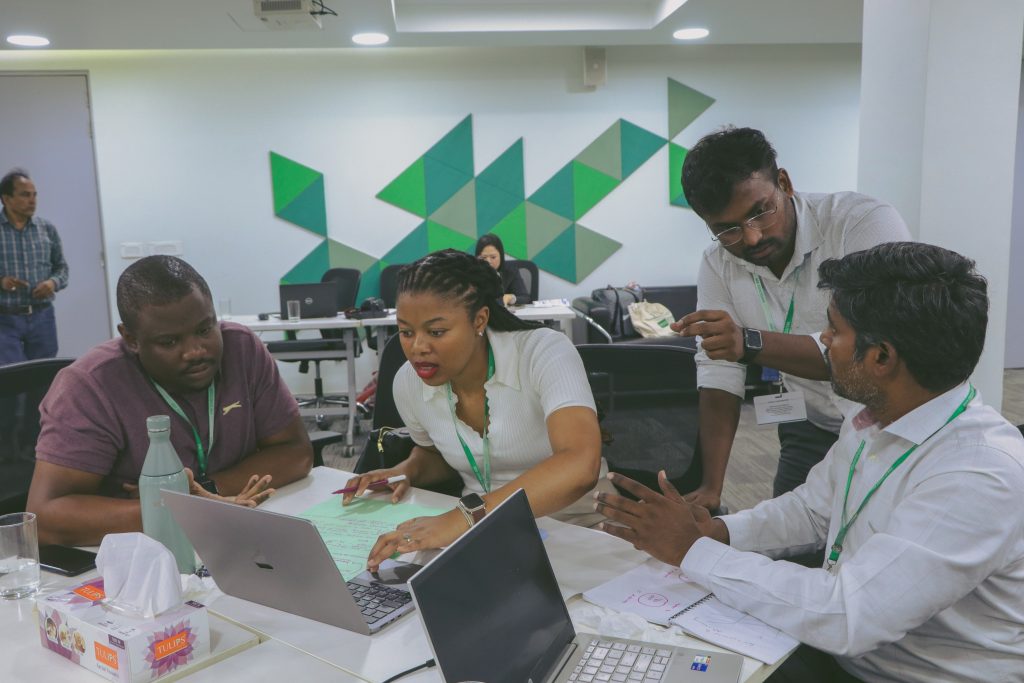
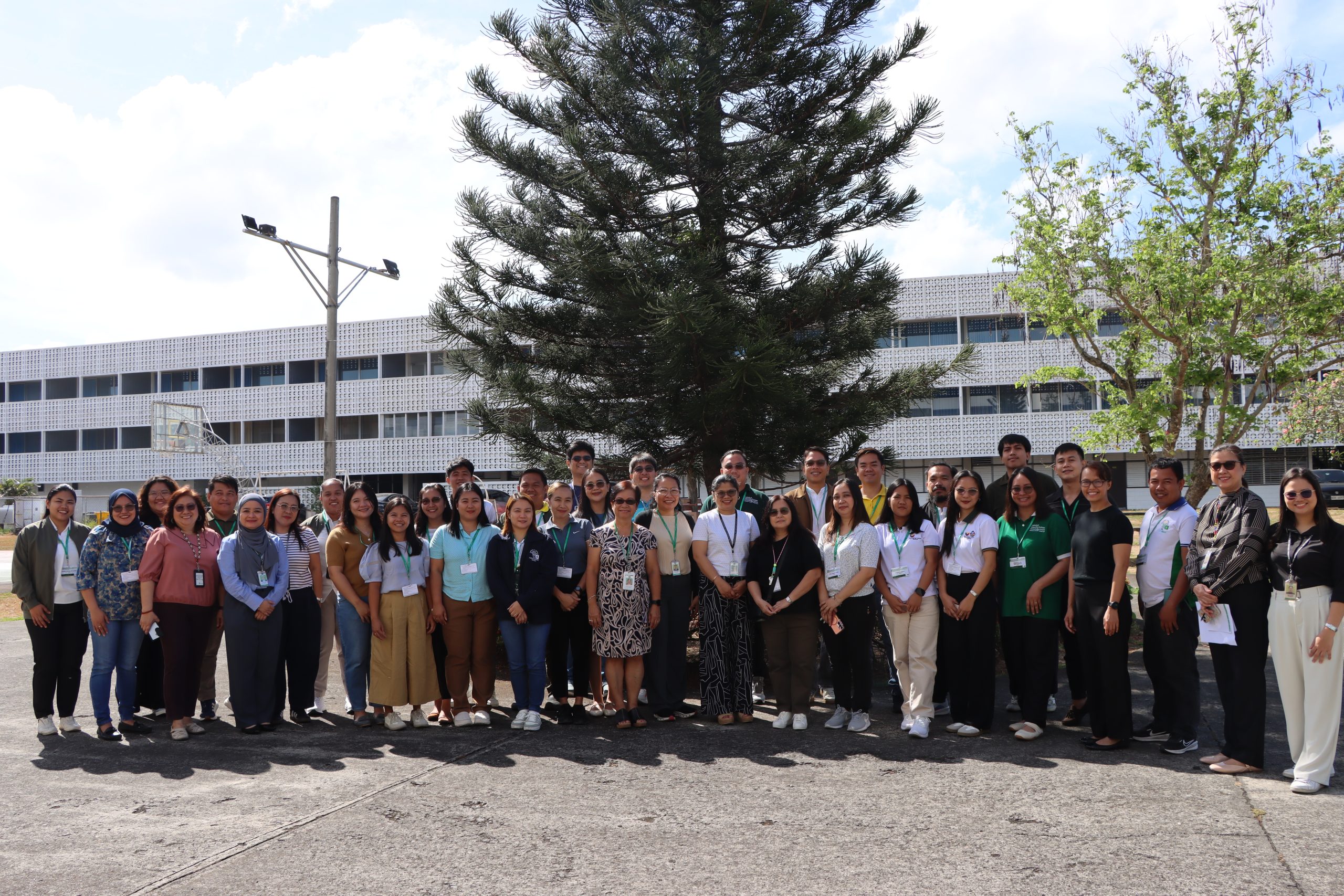
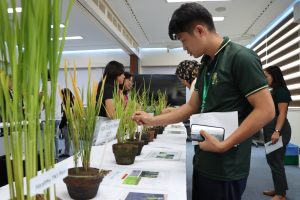
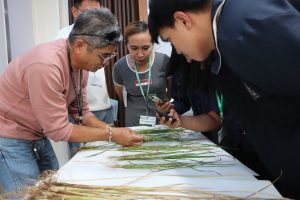 Participants also took part in practical “bus stop” exercises—interactive stations featuring real pest specimens, disease symptoms, and weed samples—which tested and strengthened their diagnostic and identification skills.
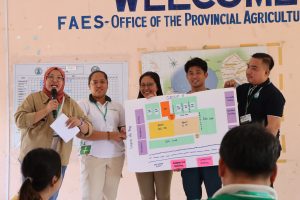 By the end of the training, participants developed context-specific Learning Action Plan including the different tools discussed in the course;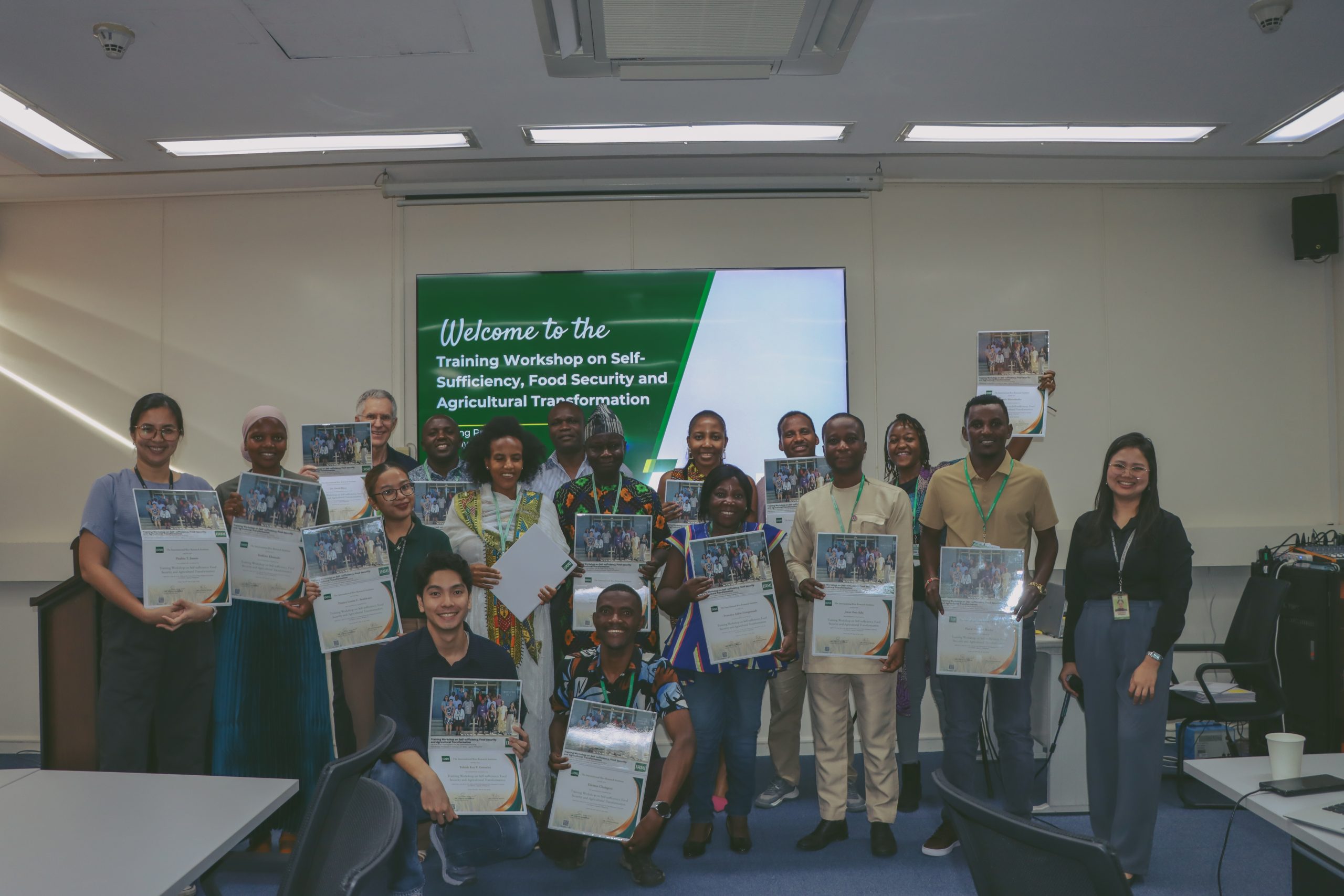
 Throughout the workshop, participants explored the concepts of agrifood systems transformation, self-sufficiency, food security, agricultural policy, and international food trade through expert-led lectures and interactive discussions.
 One of the defining features of this year’s workshop was its strong emphasis on
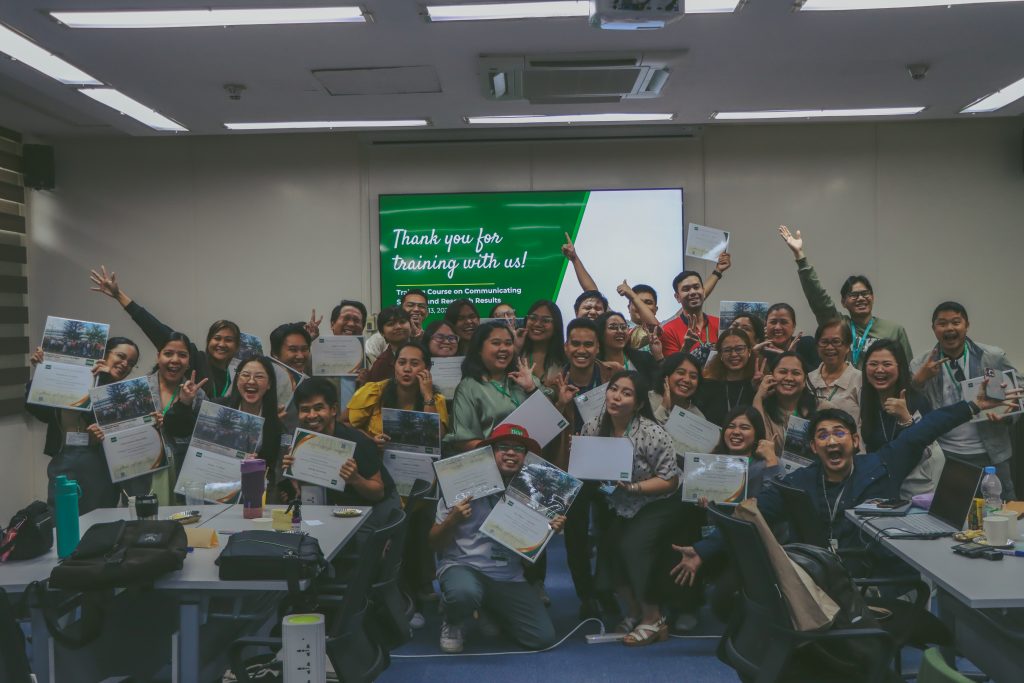
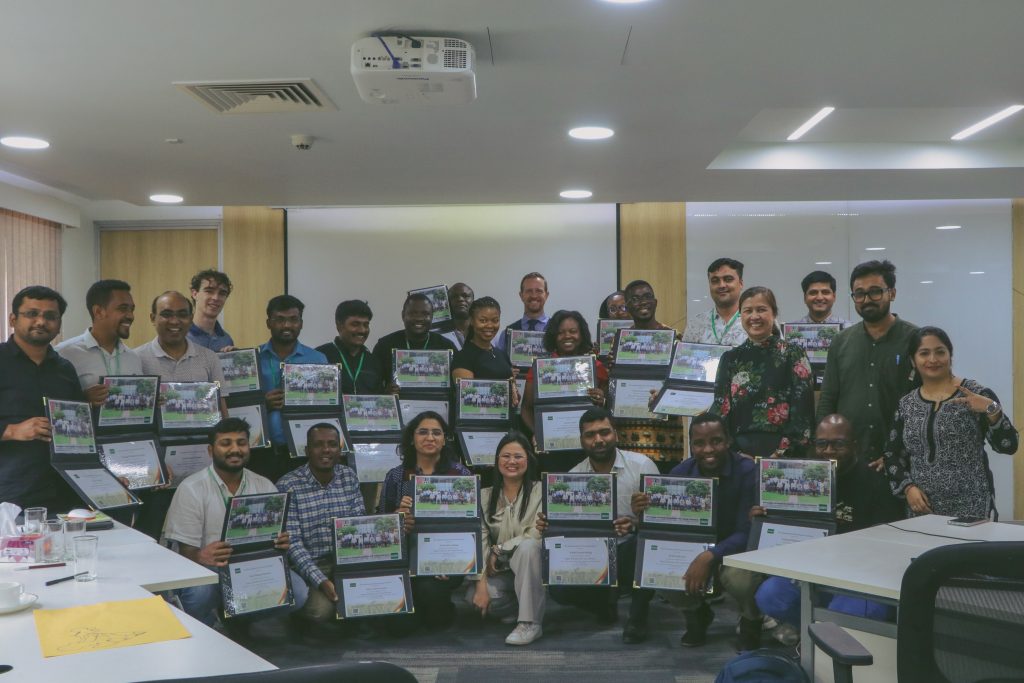
  The workshop concluded with participant group presentations, reflections, testimonials, and the awarding of certificates, highlighting four days of intensive learning and international collaboration.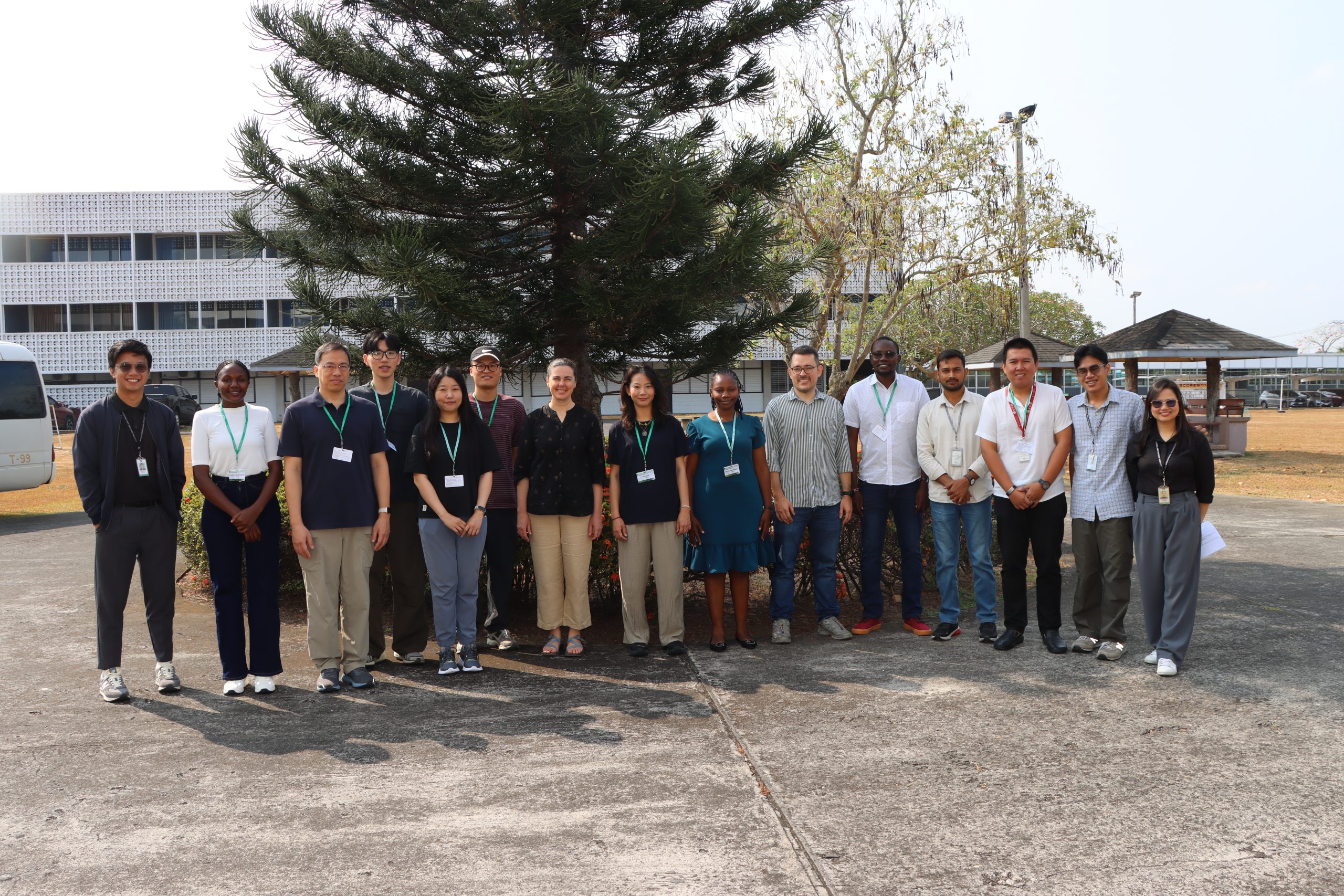


 Through the Training Course on Rice Root Phenotyping, IRRI continues to strengthen global research capacity by equipping scientists and researchers with practical skills and advanced knowledge in rice root science.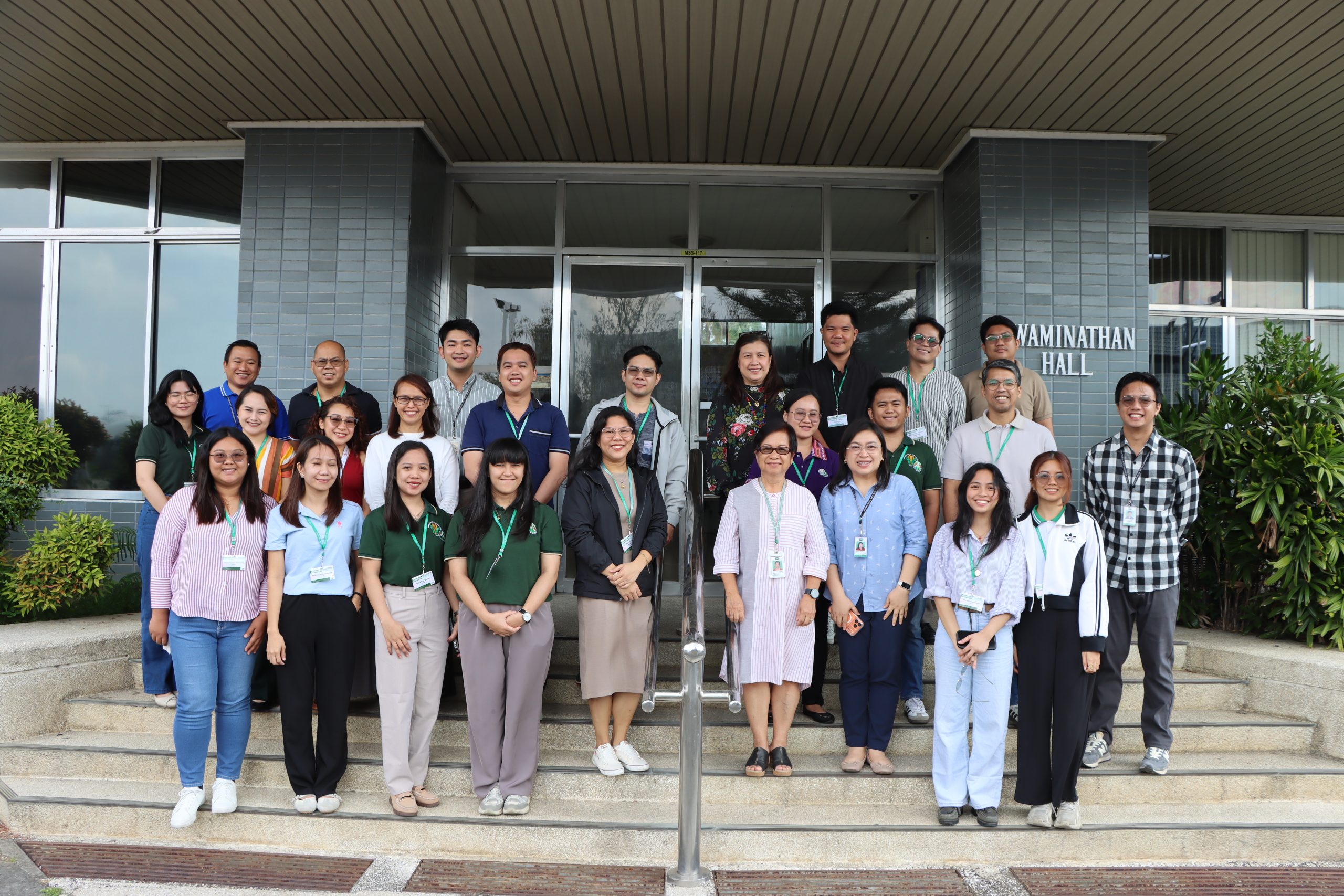

 Far from being purely theoretical, the training emphasized
  A key insight that emerged from the training was the need to move beyond traditional measures of success. Rather than focusing solely on outputs, participants were challenged to think in terms of
 As the Philippines continues to navigate challenges in food security, climate resilience, and rural development, the ability to scale innovations effectively becomes increasingly critical.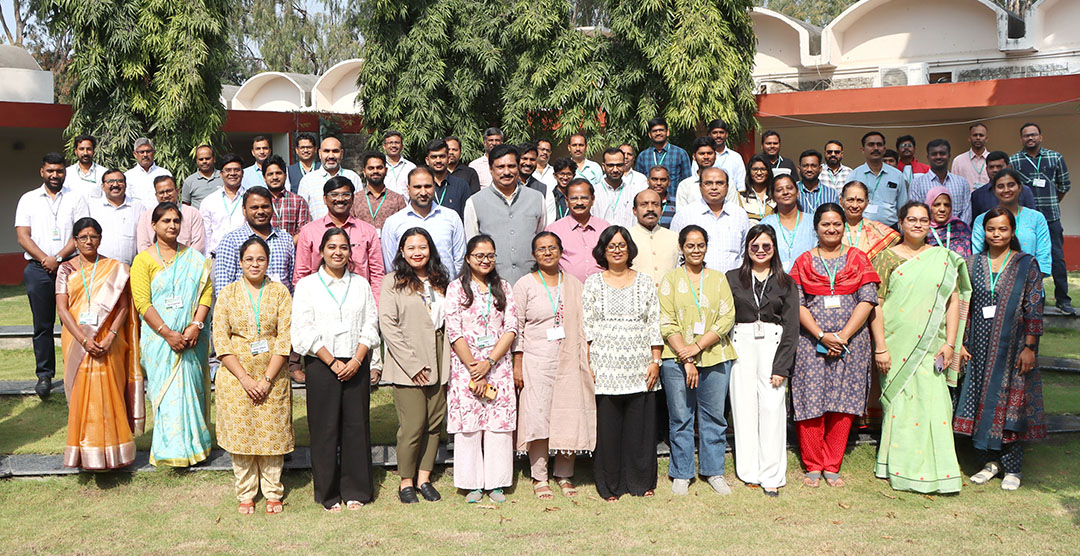
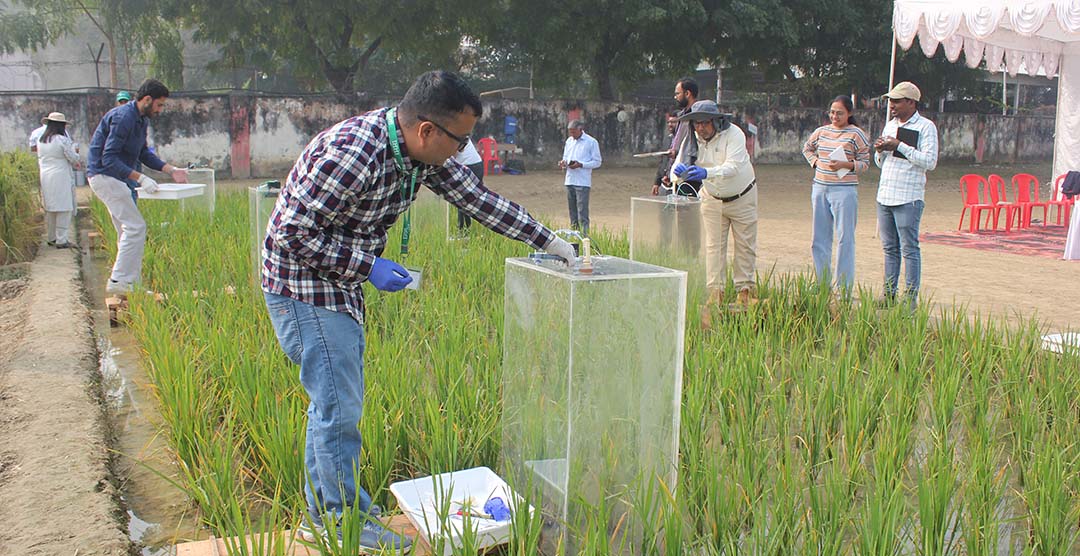
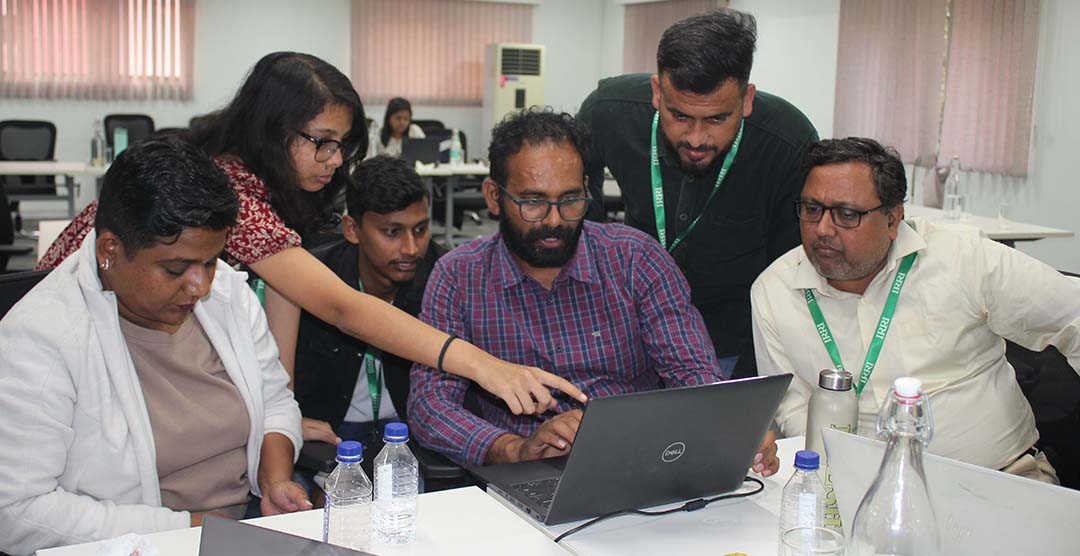
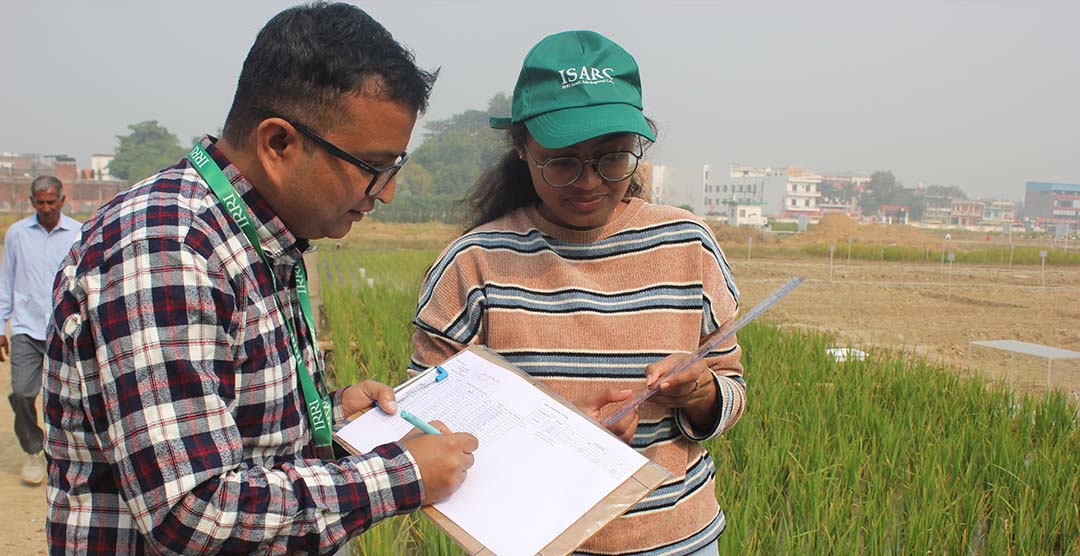
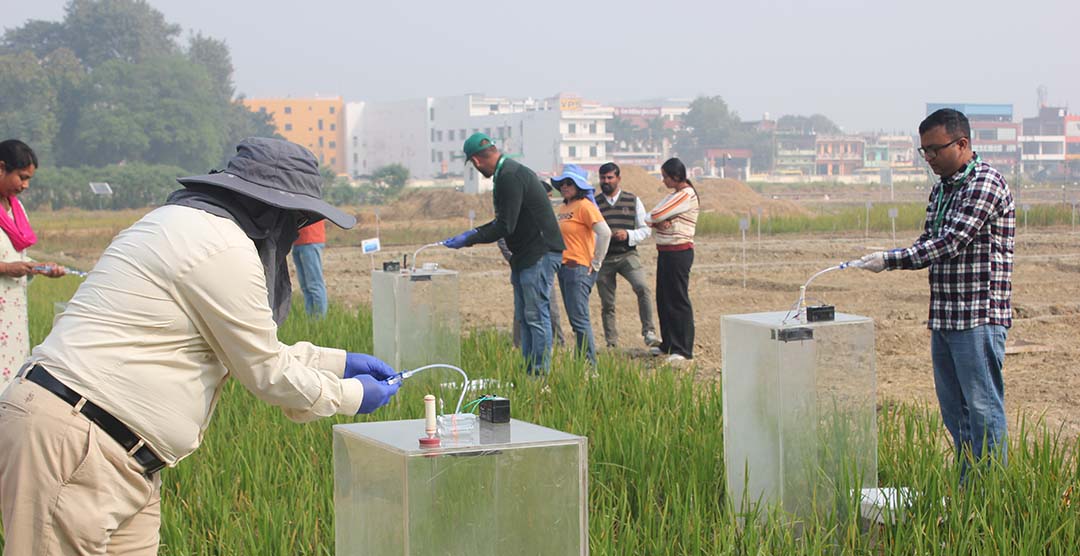
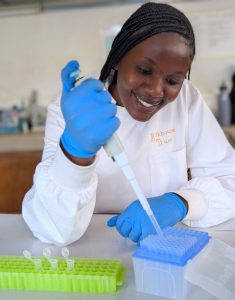 Women represent about 50% of the labor force (World Bank, 2024) in rice farming, particularly in planting, weeding, harvesting, and processing, yet face time, information, and input constraints that shape farmers’ technology adoption outcomes. Recent national statistics and briefs emphasize the need for sex-disaggregated monitoring to guide equitable delivery (National Bureau of Statistics [NBS] & Office of the Chief Government Statistician [OCGS], 2024; Evans School Policy Analysis and Research [EPAR], 2020). Within CERA, I will advocate for women’s active participation in research dissemination and ensure that improved rice varieties reach them equitably. Empowering women with climate-resilient technologies can significantly uplift households and strengthen community resilience.
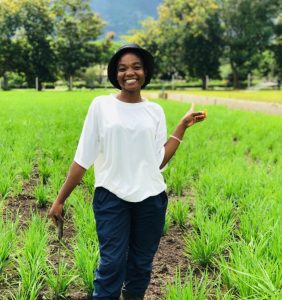 I grew up in a small district called Maswa, situated in the northern part of Tanzania, south-east of Lake Victoria. I was raised by my mother. She was a nurse but also a smallholder farmer. She cultivated rice and maize at our farm located around our home. Just like other smallholder farmers, my mother faced many challenges, such as unpredictable weather patterns, use of old, traditional varieties, limited access to inputs, and poor local soil knowledge. Growing up with my mother exposed me to the most traditional ways of cultivating rice and the challenges they faced. The whole experience basically drove my desire to one day become an agricultural researcher; hence, I chose to pursue a BSc in Agronomy.
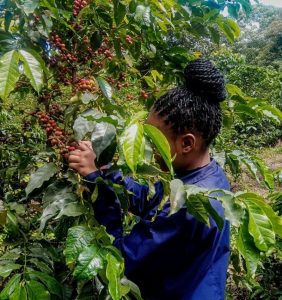 I expect to enhance my knowledge and skills in climate-smart and eco-friendly rice production, particularly in developing practical solutions for drought-prone areas. I look forward to contributing to scientific innovation through agronomic research and sharing findings that address yield gaps and strengthen resilience in rice systems. I also expect to promote gender equity by ensuring women farmers actively engage in training and decision-making, thereby supporting inclusive development.