
Growing up in Tanzania, pilau was always a dish of joy in my family, fragrant rice filled with spices and shared at gatherings. Every plate carried more than flavour; it carried the story of the farmers who work tirelessly in the fields. Over time, I became more aware of the fragility of their livelihoods. Droughts, unpredictable rainfall, and declining soil fertility often reduce their harvests. What concerned me most was the reality that these challenges do not affect everyone equally. Women, landless farmers, and other vulnerable groups are often excluded from resources and decision-making, making them more exposed to climate shocks. Witnessing these inequities shaped my research interest: exploring how fairness is addressed in drought adaptation strategies and how these strategies impact the most vulnerable rice farmers.
My academic path reflects this passion. I began with a degree in Actuarial Statistics, which allowed me to analyze complex data and understand patterns. I am now pursuing a master’s in project management and Evaluation, which equips me to design, monitor, and assess development projects. Together, these skills enable me to ask critical questions about adaptation: who benefits, who is left out, and how these choices shape the future of farming communities.
Rice is central to Tanzania’s food system and daily life. It is the second most important crop after maize and a staple for millions of households. In the 2022/23 season, farmers harvested over one million hectares of rice, producing about 2.4 million tons. Average yields were only 2.2 tons per hectare, although this varied from less than one tonne in some regions to more than four tons in the best performing areas (Discover Agriculture, 2025). There has been some progress. For example, under the TANRICE2 programme, yields rose by 40 percent in seven years, from 3.2 to 4.5 tons per hectare (The Citizen, 2020). Yet many farmers, especially those relying on rainfed systems, still use traditional varieties that yield only 1.5 to 2.5 tonnes per hectare and are highly vulnerable to drought (IRRI, 2024). When climate shocks strike, these households are left with little income, food insecurity, and fewer options to recover. The burden is not shared equally. A study in Mbarali District found that 78 percent of men participated in multiple rice production tasks compared to only 49 percent of women. A larger proportion of women were confined to low participation roles, while very few reached high participation levels (FAO, 2021). This shows how unequal access to land, credit, and decision-making limits women’s ability to benefit from rice farming, even though they are central to production.
 The agriculture sector in Tanzania employs about 65% of the population, with rice also identified as a strategic crop for national and regional food security (Basungu, 2023). Yet gender groups like women farmers face systemic barriers: less than 20% of women own land, and fewer than 15% have access to formal credit (Awoke et al., 2025). At the same time, rice yields average just 2.2 tons per hectare, far below the potential of 6–7 tons under improved management (Kwesiga et al., 2020; Mboyerwa et al., 2022). Bridging these gaps requires not only technical innovations but also institutional reforms that ensure these gender groups, like women and youth, can actively participate and benefit in the face of climate-related risks.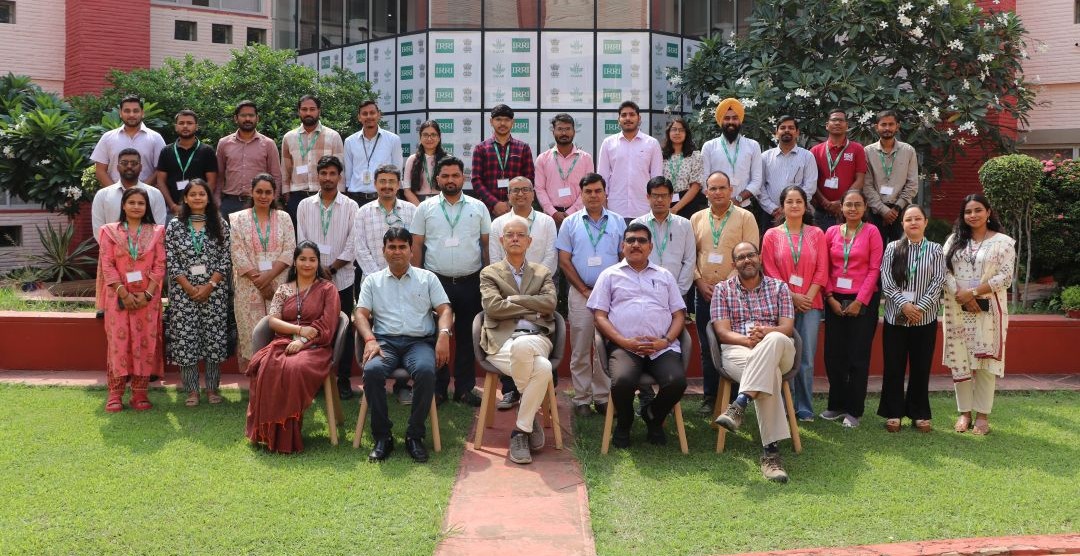
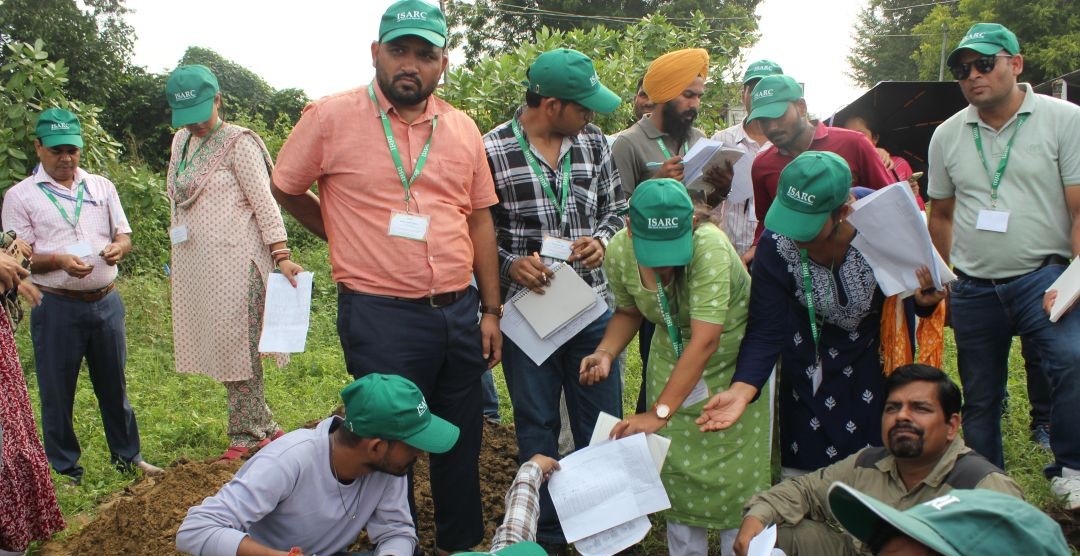
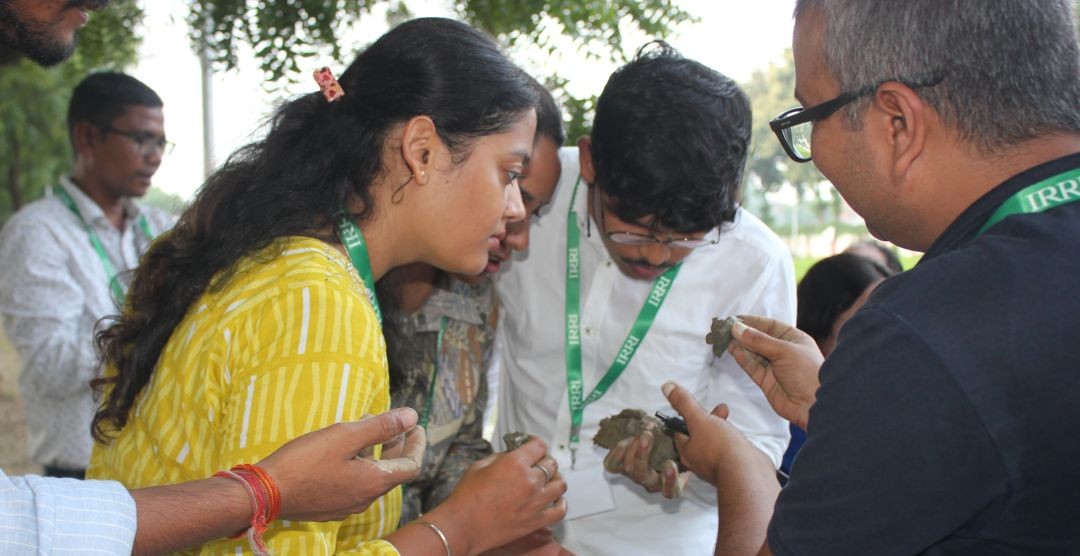
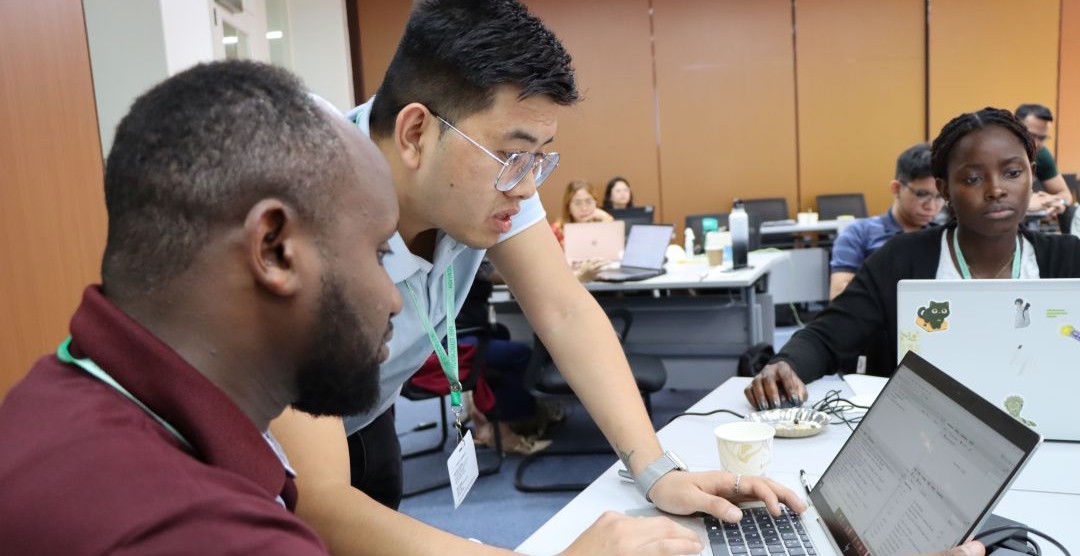
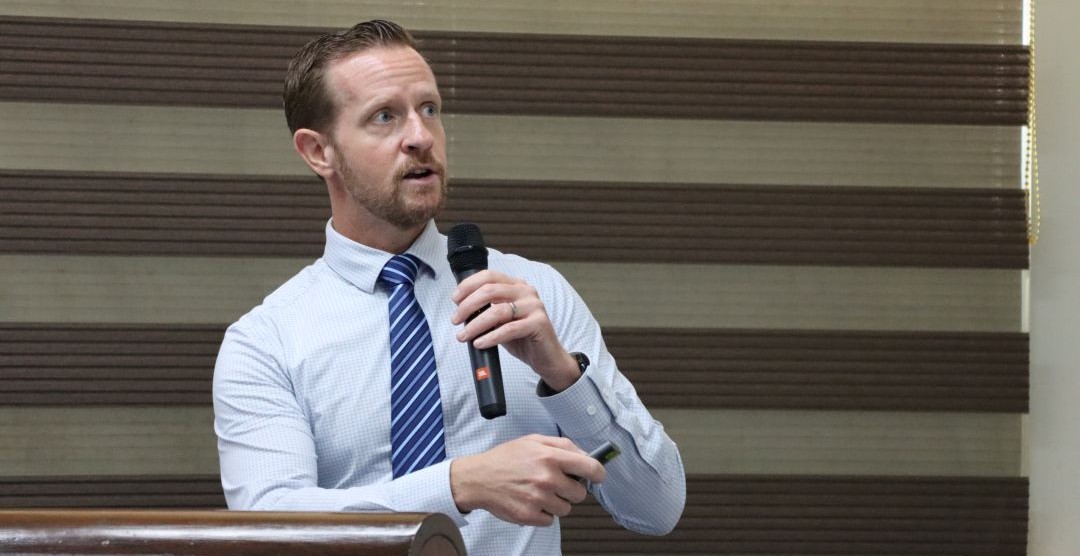
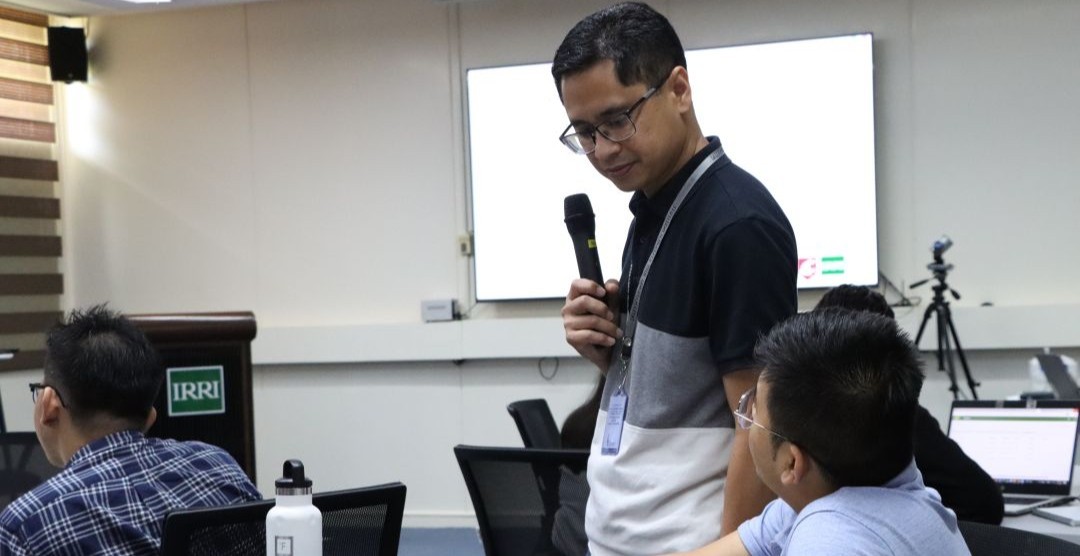
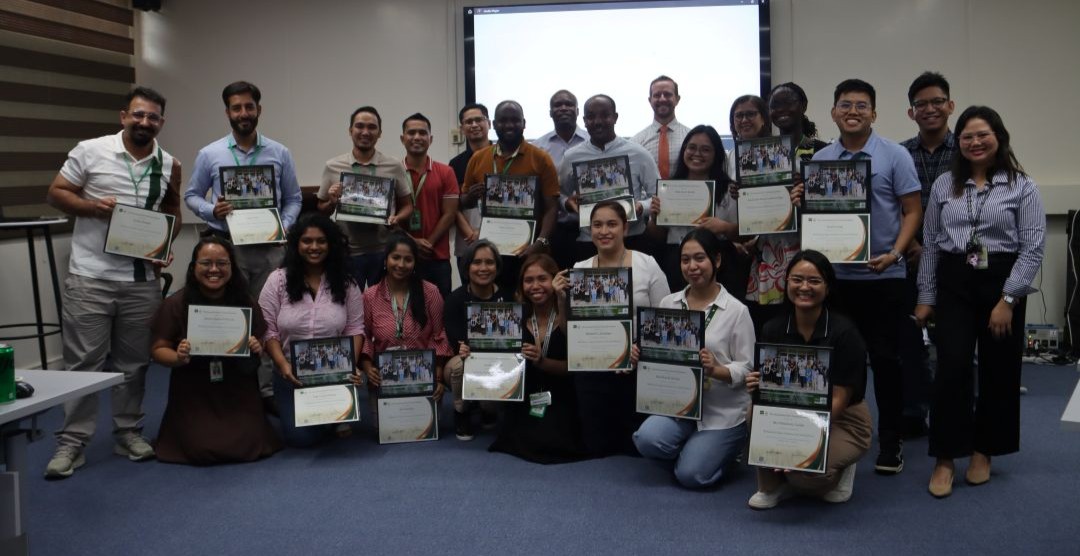
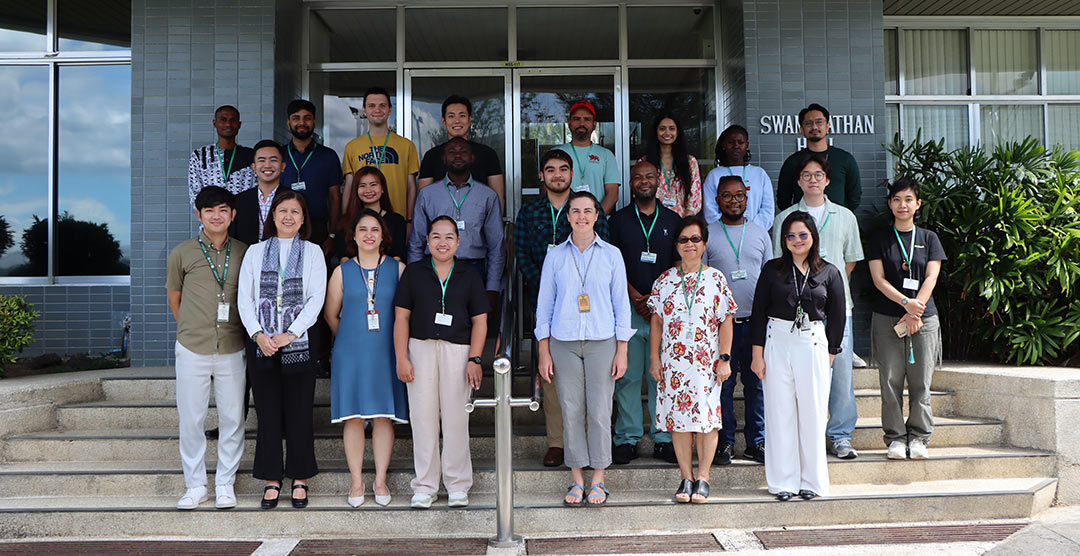
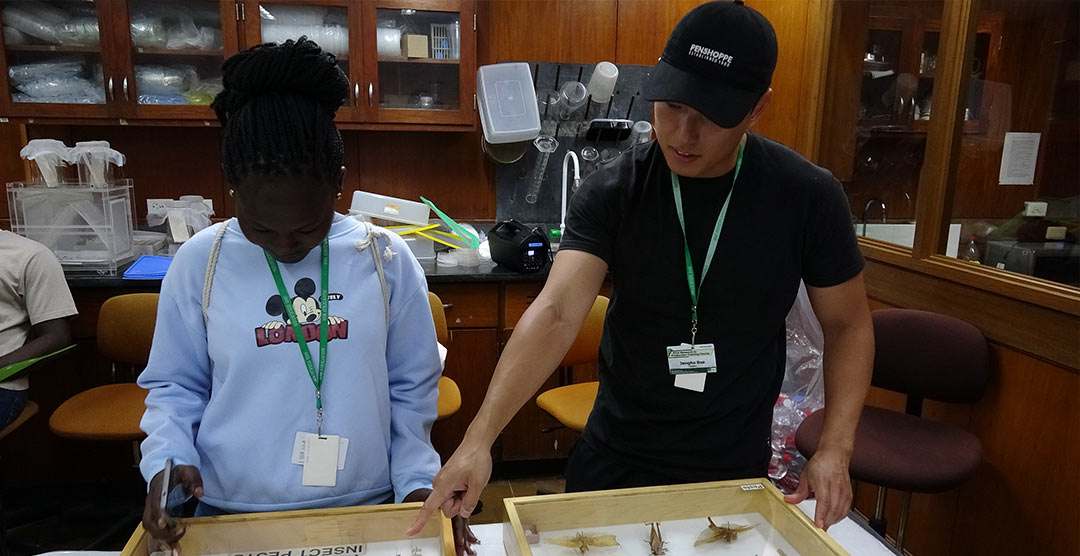
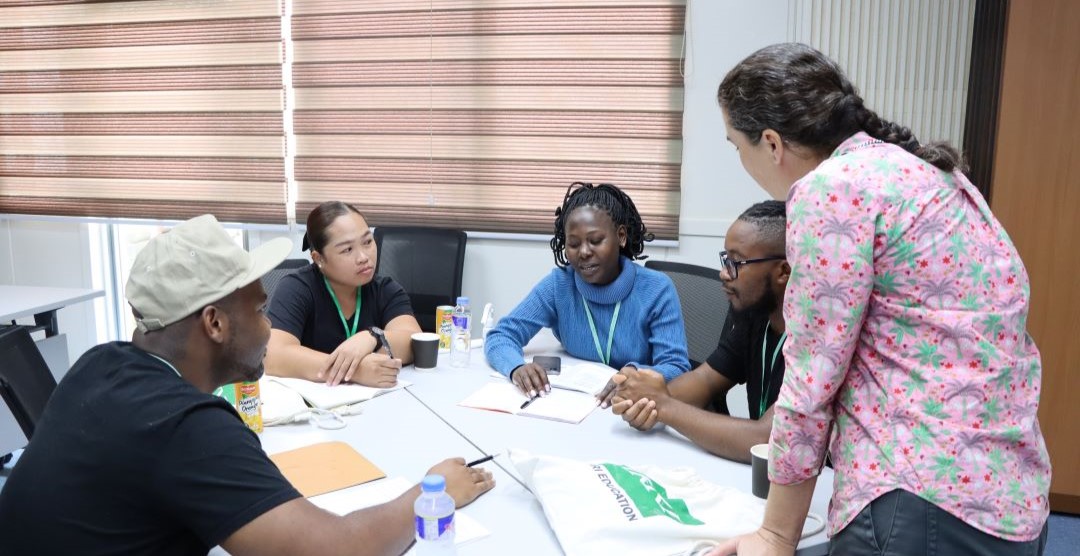
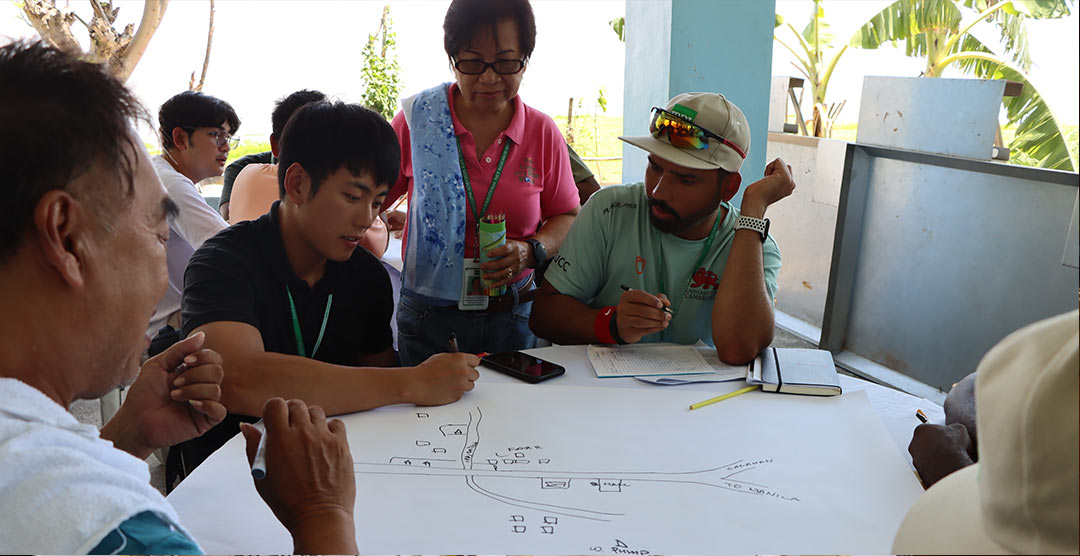
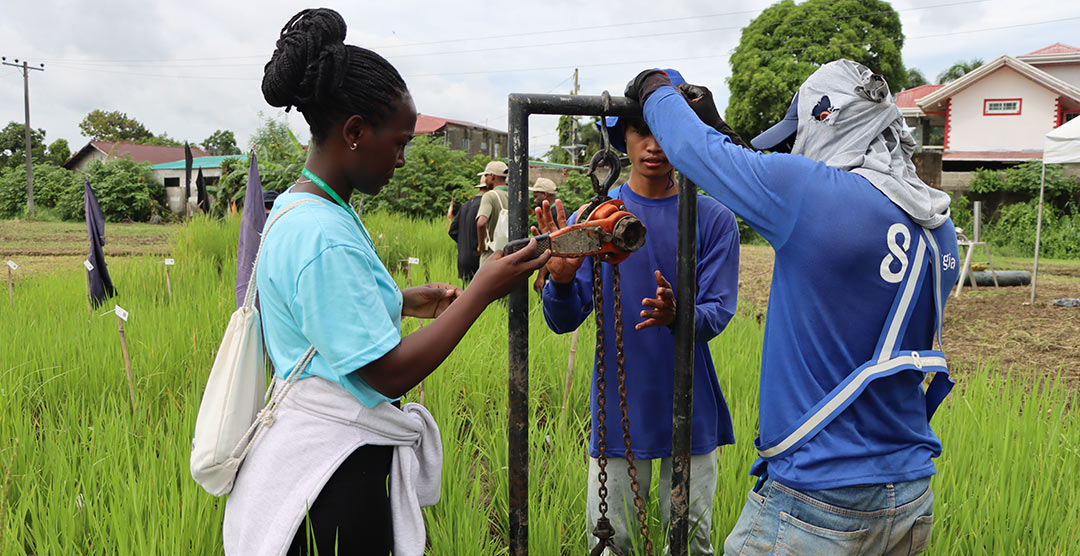
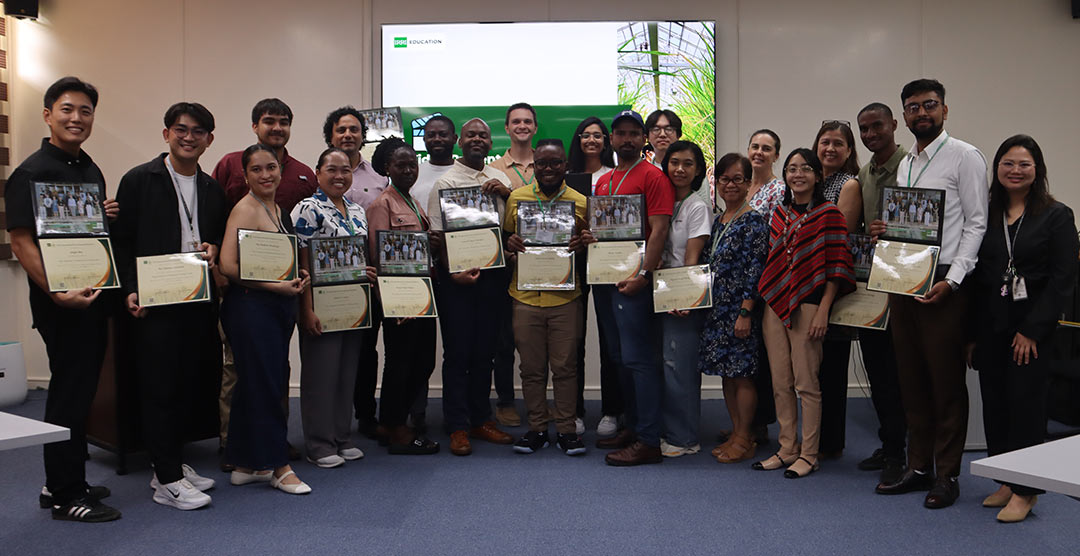
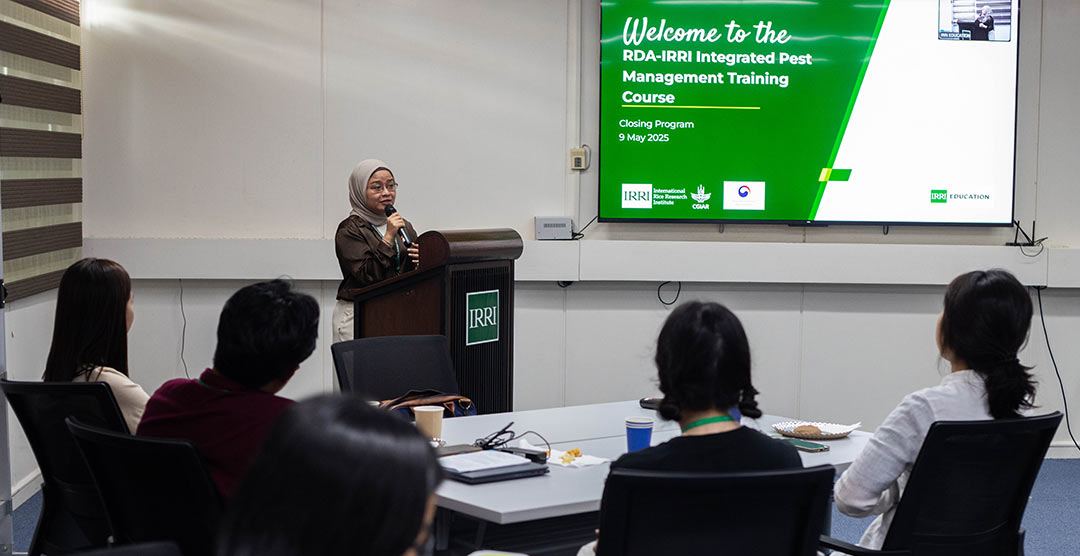
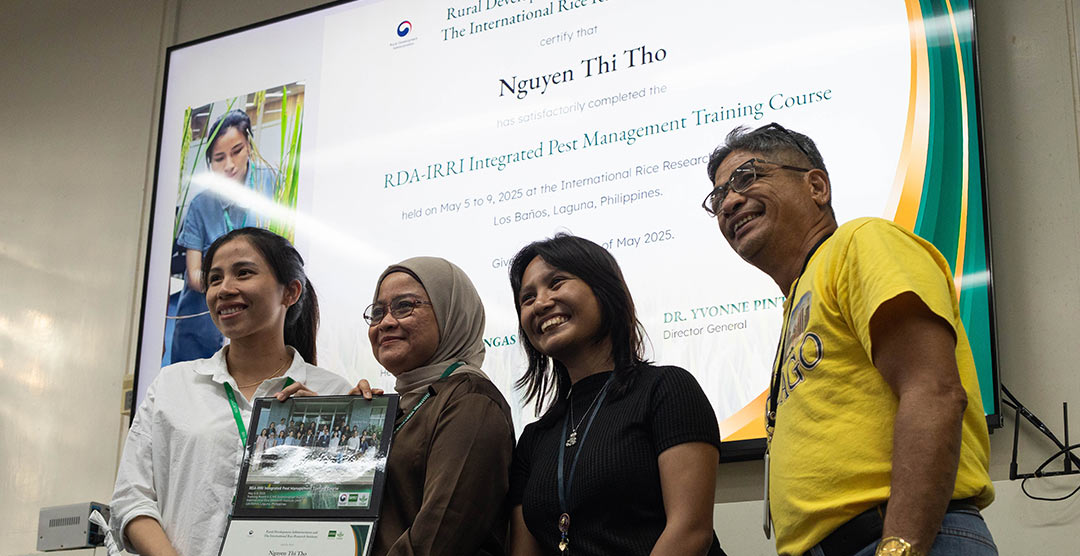
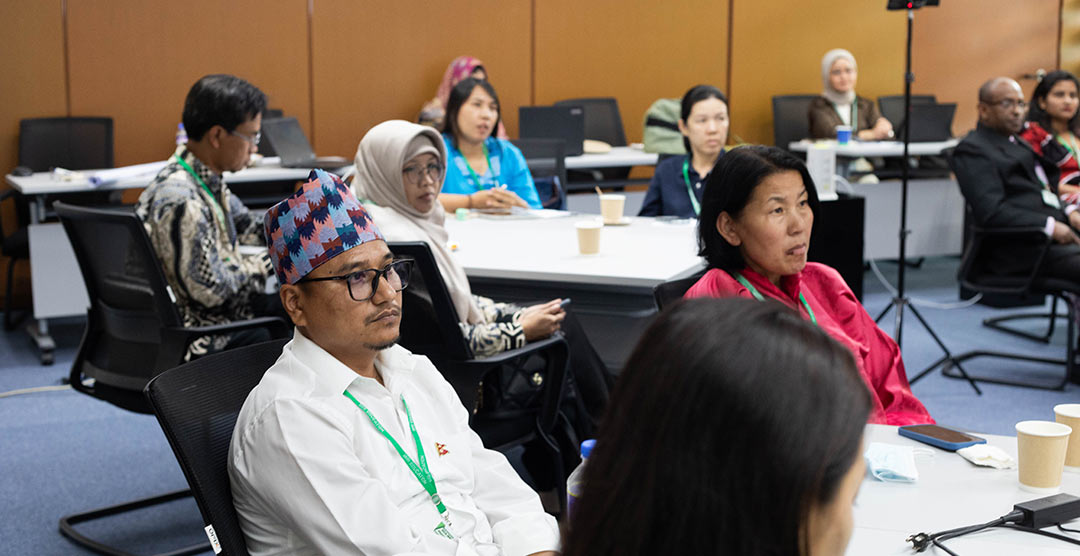
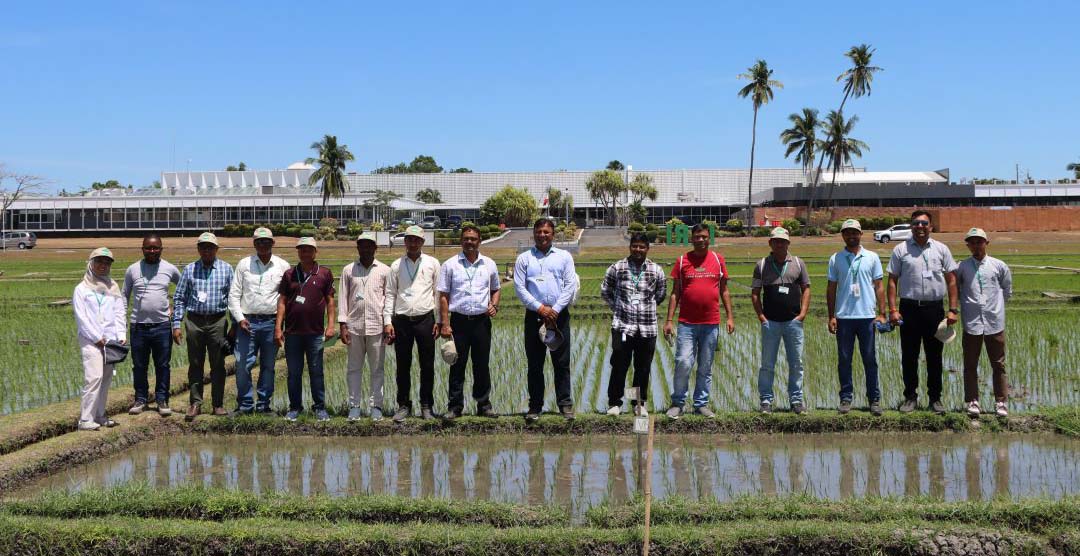
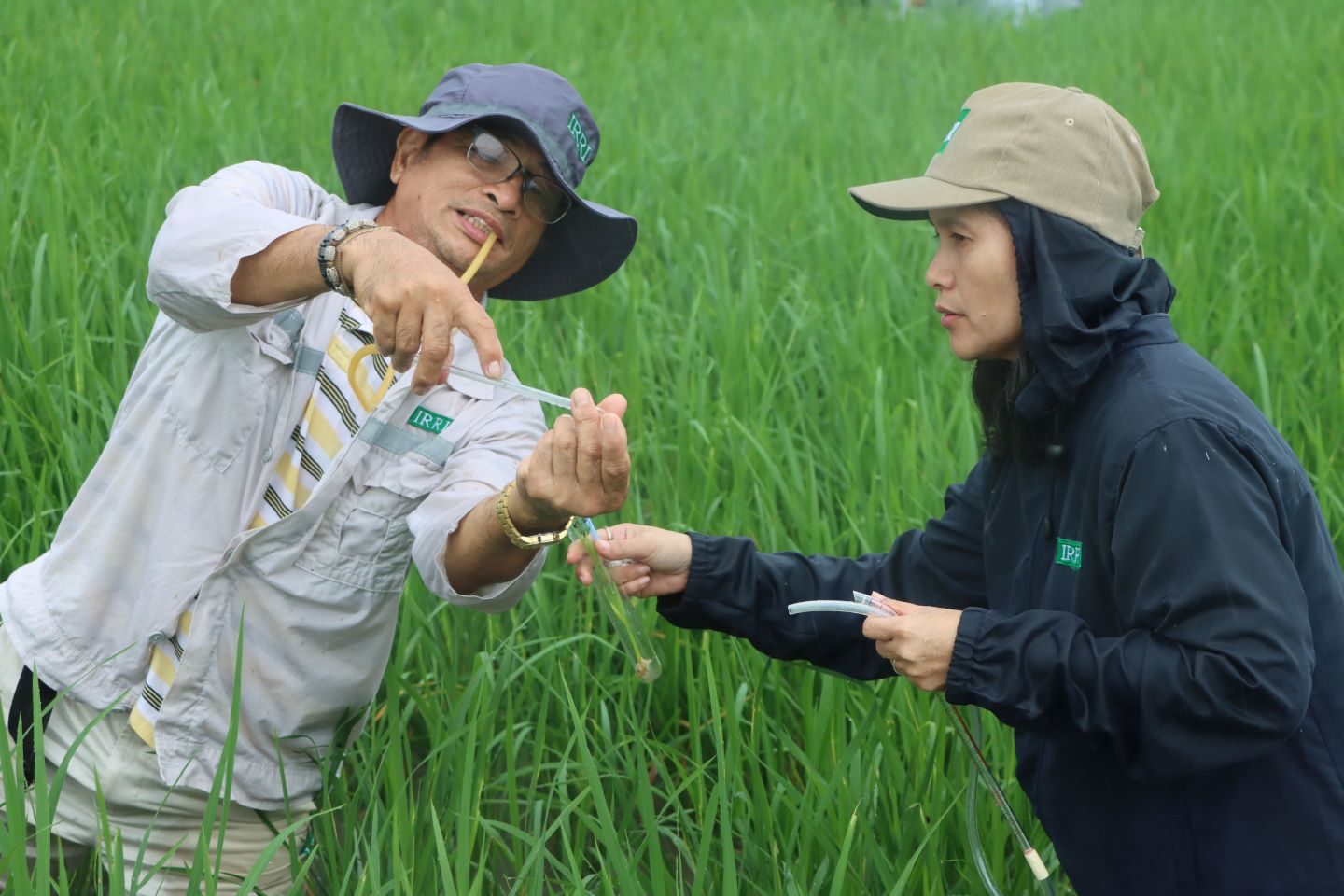
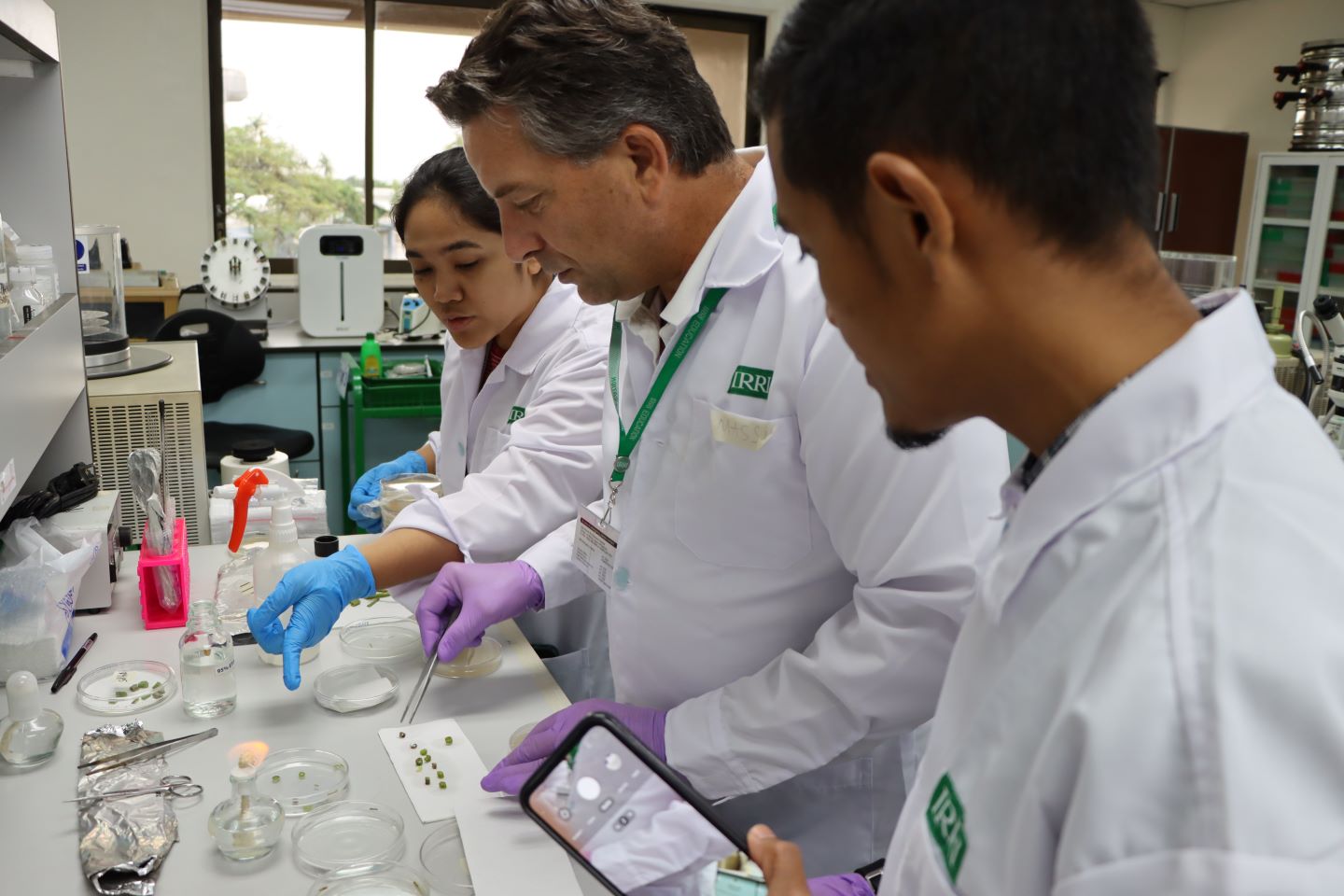
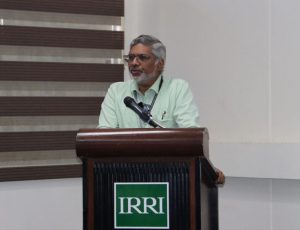 The participants were introduced to the One IRRI Rice Breeding Strategy and its role in global rice breeding. Compared to traditional, fragmented breeding efforts, this strategy aims to unify efforts by setting standards and efficient resource management among local and international partners. Basically, this will speed up the breeding process of nutritious and market-preferred rice varieties which are also climate-resilient. This crop breeding strategy can also be replicated in similar crops. Dr. Jauhar Ali, Principal Scientist and Hybrid Rice Breeder at IRRI, served as one of the lead instructors. “How do we produce more from less? This is the challenge we face,” he said. “We need to increase production while reducing inputs like fertilizers and pesticides.” Dr. Ali emphasized the potential of hybrid rice to improve resource use efficiency and equip researchers to address global food security challenges more sustainably. Hybrid rice is a type of rice which is produced from two genetically different parents which commonly result in higher yielding varieties.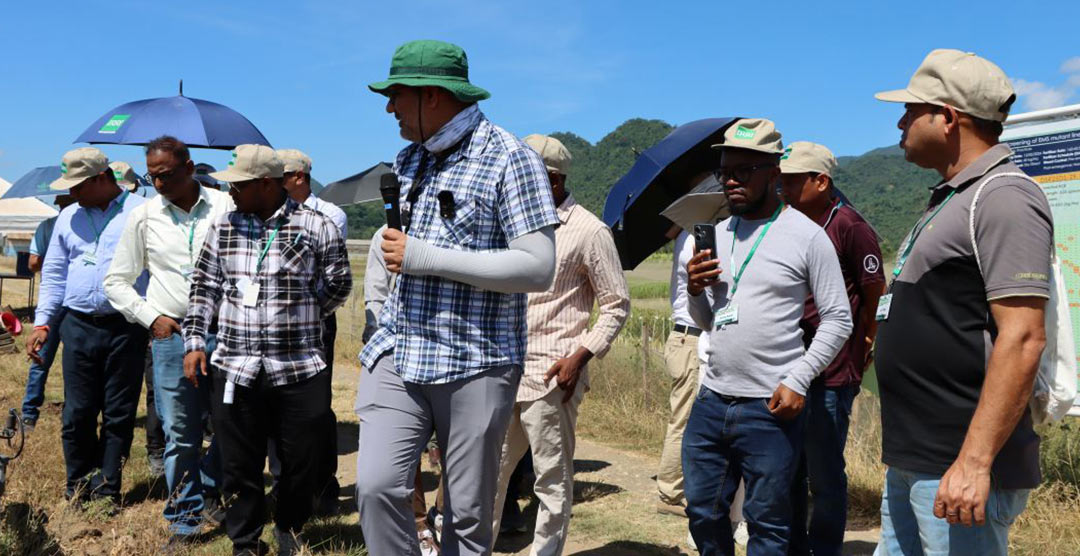
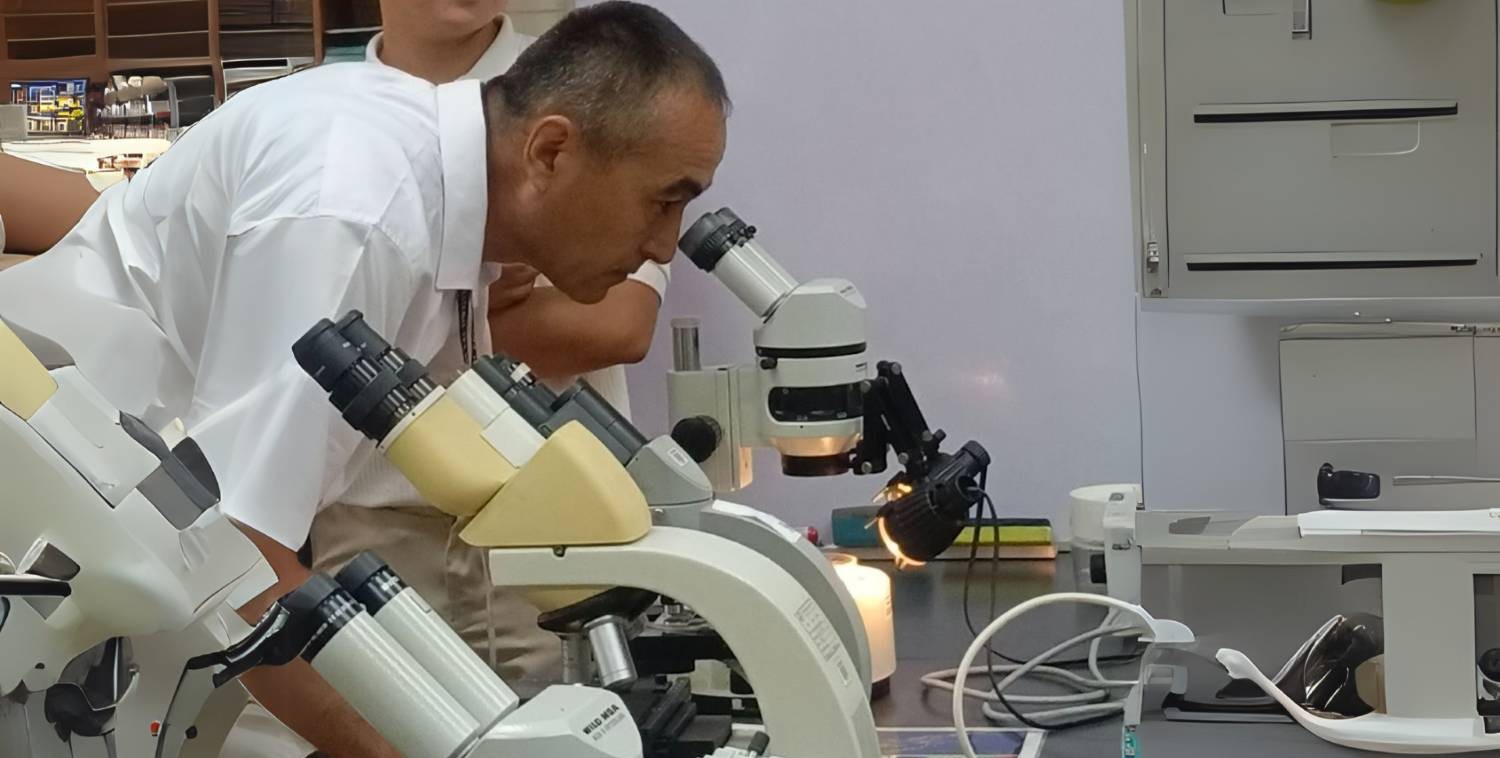
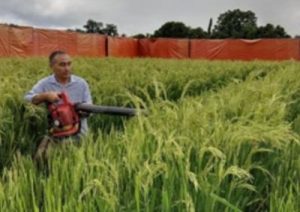 Facilitated by IRRI Education in collaboration with the Rice Breeding Innovation Department, the training was designed to provide an in-depth, hands-on experience. The first month focused on hybrid rice breeding, including floral biology, hybridization techniques, and field visits. Sessions on seed production practices such as transplanting of A, B, and R lines, GA₃ application, and pollination methods, followed this. From October to December 2024, the researchers concentrated on hybrid rice cultivation and were exposed to performance trials, socio-economic impacts, and improved cultivation strategies.