
logologo
  • Home
  • Learning Programs
    • Short & Long Courses
    • Online Learning and Product Development
    • Knowledge Platforms
    • Advisory around Capacity Development (CapDev)
    • Training Calendar
  • Scholars & Youth Engagement
    • Degree Program
    • Non-degree Program
    • Scholarships
  • Home
  • Learning Programs
    • Short & Long Courses
    • Online Learning and Product Development
    • Knowledge Platforms
    • Advisory around Capacity Development (CapDev)
    • Training Calendar
  • Scholars & Youth Engagement
    • Degree Program
    • Non-degree Program
    • Scholarships
logologo
  • Home
  • Learning Programs
    • Short & Long Courses
    • Online Learning and Product Development
    • Knowledge Platforms
    • Advisory around Capacity Development (CapDev)
    • Training Calendar
  • Scholars & Youth Engagement
    • Degree Program
    • Non-degree Program
    • Scholarships
  • Home
  • Learning Programs
    • Short & Long Courses
    • Online Learning and Product Development
    • Knowledge Platforms
    • Advisory around Capacity Development (CapDev)
    • Training Calendar
  • Scholars & Youth Engagement
    • Degree Program
    • Non-degree Program
    • Scholarships
August 27, 2026 by irrieducation News & Events 0 comments

Equipping DA Communicators to turn research into impact

LOS BAÑOS, Philippines—How can agricultural research move beyond experiments, reports, and technical publications to reach the people who need it most?  

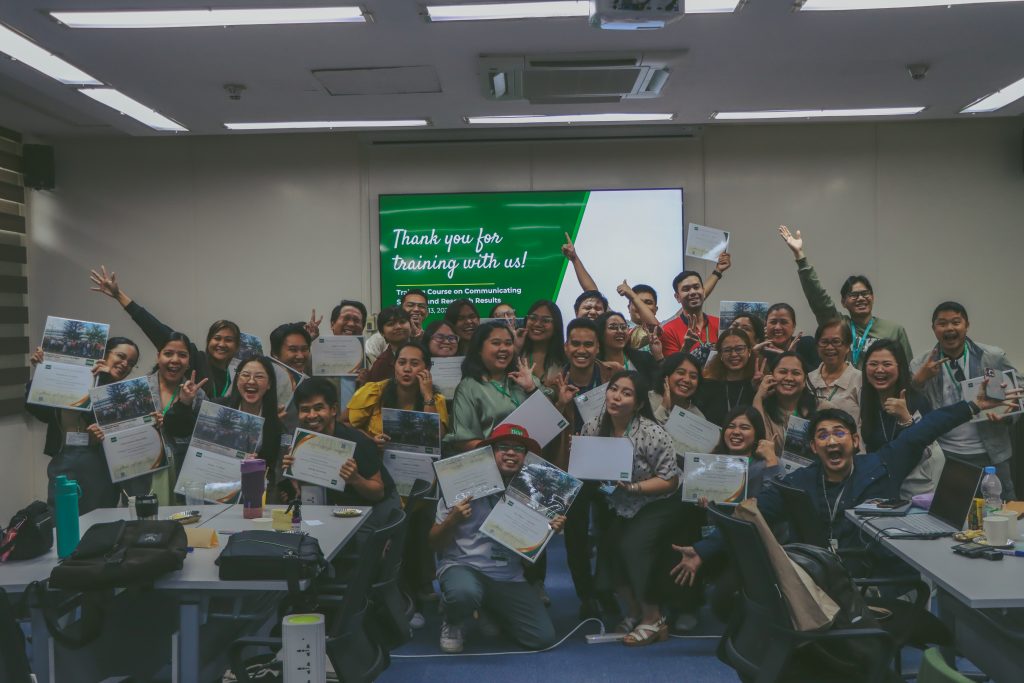
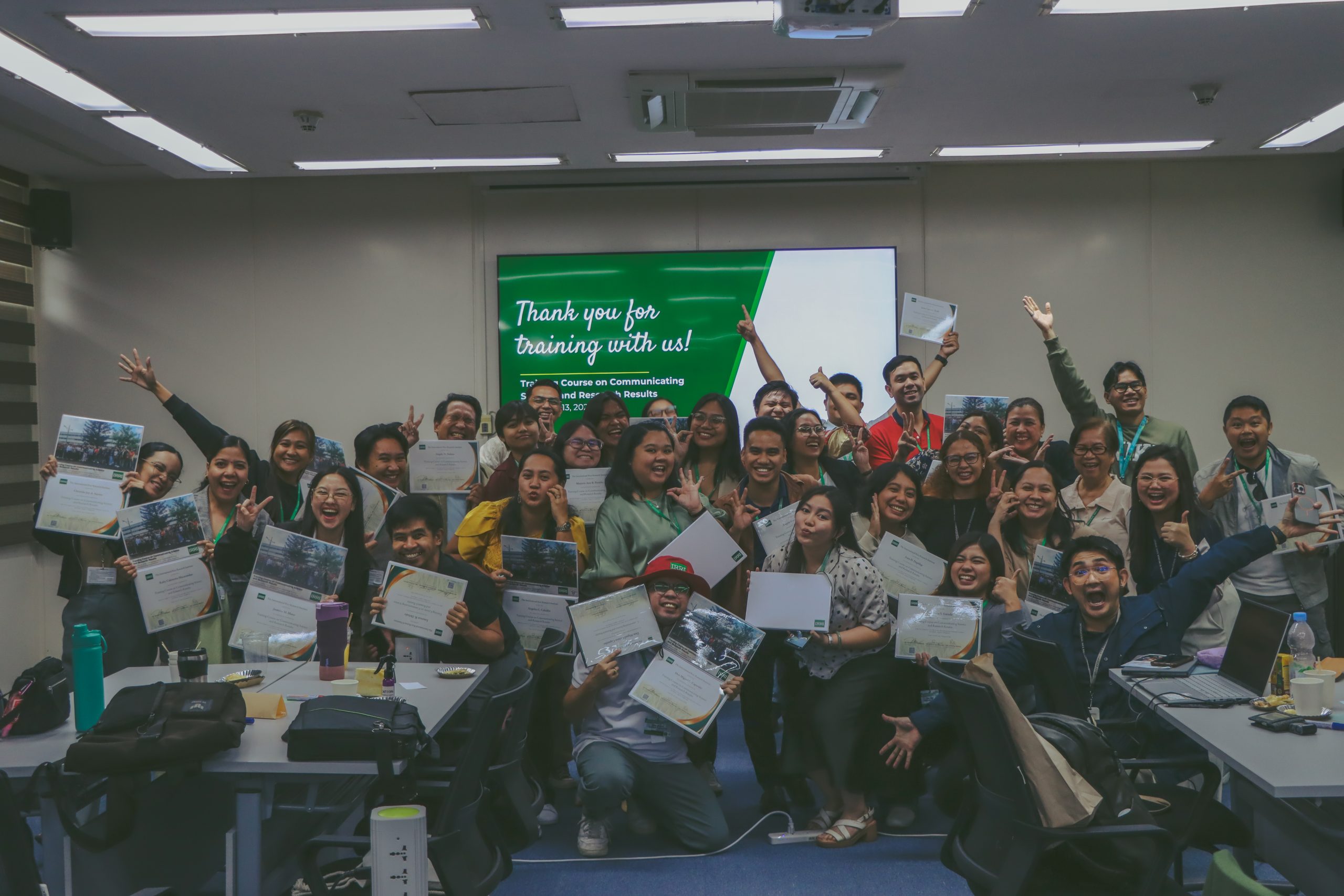
This question took center stage during the recently concluded Training Course on Communicating Science and Research Results, held on 11–13 August 2026 at the International Rice Research Institute (IRRI) headquarters in Los Baños, Laguna. 

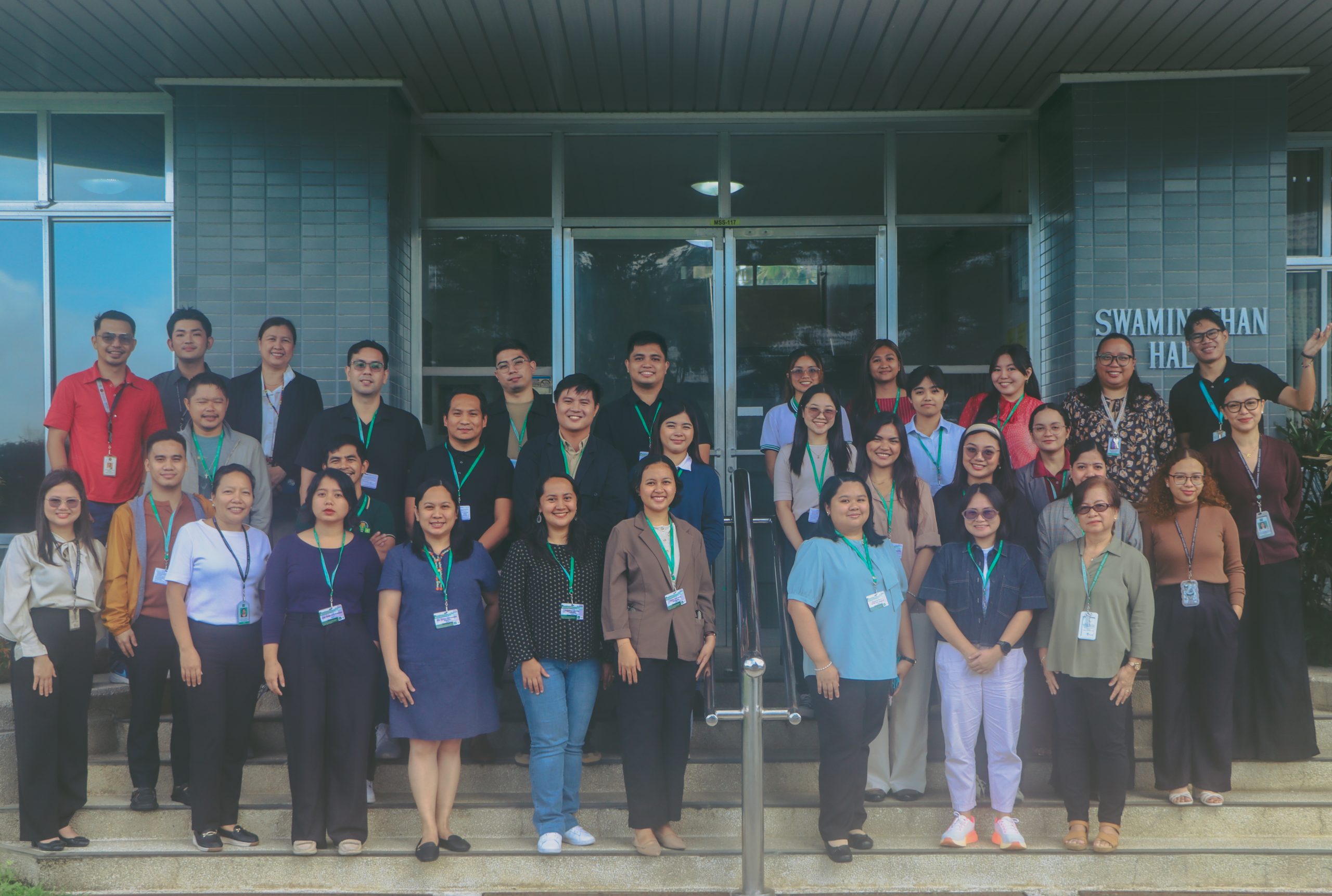
Implemented under the Project UPSKILL, the training course brought together 26 agricultural communicators from the Department of Agriculture (DA) Regional Field Offices and attached agencies for three days of hands-on learning in strategic messaging, storytelling, digital content production, and communication planning. 

During the opening program, Dr. Anilyn Maningas, Head of IRRI Education; Dr. Madonna Casimero, Senior Scientist in Agronomy and Lead of Project UPSKILL; and Dr. Cecilia N. Gascon, Director of the DA-Bureau of Agricultural Research, underscored a critical reality that set the tone for the entire training course: agricultural research can only create meaningful impact when its findings are understood by its intended audience and acted upon. 

Strengthening agricultural innovation goes beyond investing in research and technologies. It also means investing in the people who help move knowledge from research institutions to the communities, farmers, policymakers, and decision-makers who can use it. 

IRRI’s Communication and Engagements Department led the training, with Ms. Kristina Cassandra Santos, Head of Communication and Engagements, together with Ms. Xenina Ibabao, Senior Manager for Strategic and Science Communication; Ms. Danica Louise Sembrano, Specialist in Science Communication; Ms. Ruby Shaira Panela, Senior Specialist in Media, Campaigns and Branding; and Mr. David Bryce Saguin, Officer in Digital Video Production guiding the participants through the sessions.  

Participants learned to move beyond technical jargon, understand diverse audiences, build strategic messages, humanize scientific evidence, and use storytelling and digital platforms to make research more accessible. 

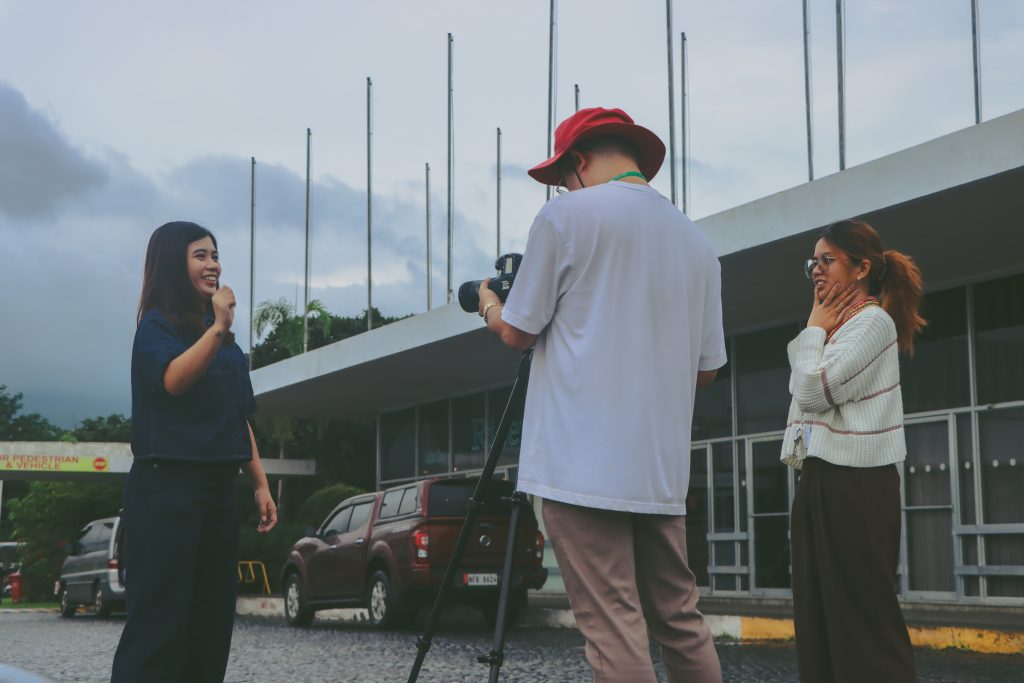
They also put these skills into practice. Rather than relying solely on lectures, the course immersed the participants in the role of practitioners for specific sectors. After each session, they were challenged to apply what they had learned—mapping audiences, constructing message houses, writing web and blog articles, developing platform-specific social media content, creating short-form video scripts, and designing communication plans for actual agricultural research and innovations. 
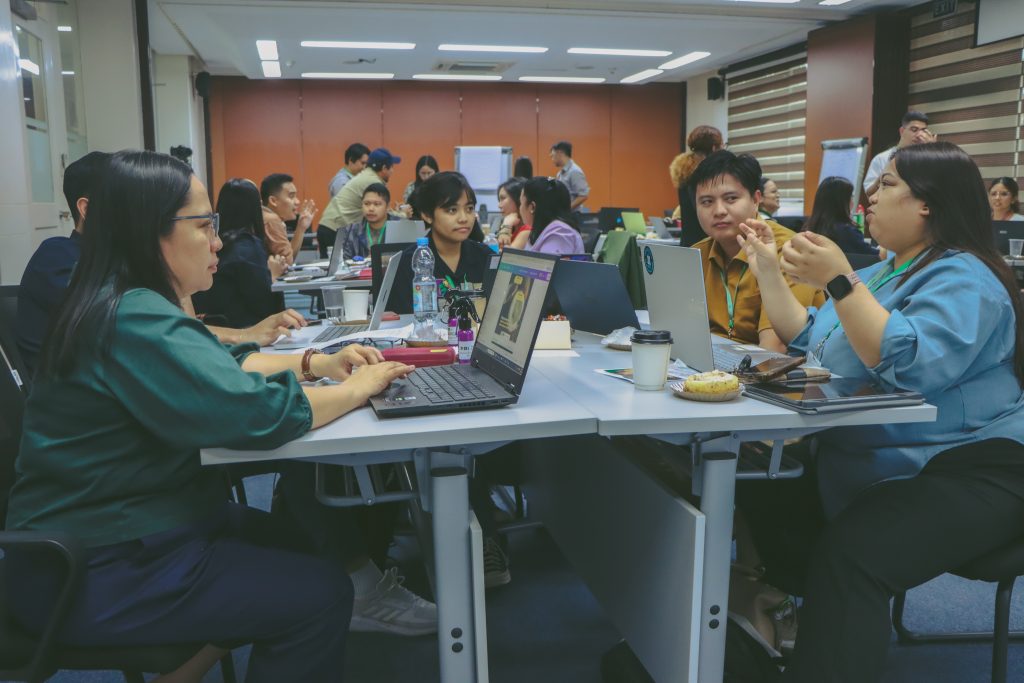
Creating Science Communication Materials that Matter

The training started with a challenge to rethink how science is communicated. 

Participants explored how technical research can be translated into clear and accessible messages by identifying the needs, interests, and influence of different audiences—from farmers and extension workers to policymakers, media, government, private sector, academe, and the public. 

Participants then applied the Message House framework to their own agricultural research and innovations, developing umbrella messages, key pillars, audience-specific messages, and evidence or proof points. 

The exercise shifted the question from simply asking, “What do we want to say?” to a more vital one: “What does our audience need to know, and why should it matter to them?” 

For participants working in government and public relations, this was especially relevant. One participant shared that the training “[The training] equip[ped] me to be a better communication professional, creating cohesion between research and extension communication. As an agriculturist, this gives me a better appreciation of the importance of communication plan in conveying scientific results more palatable to the general public.“ 

From Crafting Messages to Purposive Storytelling 

The second day moved from strategic messaging to storytelling and digital content production. 

Participants learned to develop stronger headlines and hooks, humanize data, and create specific calls to action when writing web and blog articles. They also explored how communication changes depending on the platform and audience, developing content for Facebook, LinkedIn, and X. 

But the learning did not stop at writing. 

Participants transformed their messages into social media content, short-form video scripts, carousels, and 30-second to one-minute reels. They were asked to take scientific information and turn it into stories and content that people could engage with. 

For one participant, the hands-on approach was particularly valuable. “Although it was very packed and however draining the days were, I am grateful for the activities we did. Besides learning the concepts, the hands-on activities really helped enhance our skills and understanding in communicating science and research results.“ 

For another, the experience was unexpectedly personal: “This has sparked joy and made me go back to my hobby of video editing.” 

Realizations like these shed light to one of the most important aspects of science communication. Learning to communicate research is not only about acquiring technical skills. It can also reconnect professionals with their creativity, confidence, and sense of purpose to serve its intended stakeholders. 


Communication as a Pathway to Impact 

By the final day, participants were no longer simply producing individual communication materials. They were learning to think beyond the message—to consider what happens after it is created, who it needs to reach, and how to strategize transforming an agricultural innovation into action. 

Through strategic communication planning and rollout exercises, each group developed a communication plan that brought together its Message House, web and social media products, and multimedia content to effectively communicate an agricultural innovation to its intended audience. The exercise challenged participants to see communication not as an end product itself, but as a strategic pathway for connecting research with the people it is meant to serve. 

But the course was designed to extend beyond the three days at IRRI. 

As a culminating activity, participants prepared Learning Action Plans (LAPs), to be signed by their respective supervisors, outlining how they would apply what they learned in their own work. The plans identified specific activities, potential partners, timelines, and indicators of success—turning lessons from the training into concrete commitments for action. 

For one participant, this reinforced a deeper sense of purpose: the training strengthened their understanding of their “…role and purpose in serving our farmers and stakeholders.” More than gaining new skills, the experience deepened their appreciation of how their work can help address the needs of farmers and create meaningful impact in the communities they serve. 

This is also where the broader vision of Project UPSKILL comes into reality: strengthening not only research and extension capacities, but also the people who help move knowledge and innovations from institutions to the communities and decisionmakers who can use them. 

Participants entered the training with research skills, technical expertise, communication responsibilities, and diverse professional experiences. They left with new ways to translate evidence into stories, stories into conversations, and conversations into action. 

One participant described the experience as “…[a] privilege and a responsibility,” imparting a great challenge to “addressing the needs of our farmers and making a meaningful impact [on] the communities we serve.” 

Now, through their LAPs, that challenge imparted can extend beyond the training room. Participants are called to bring what they learned back to their respective offices, work with colleagues and partners, and engage more DA personnel and units in strengthening how agricultural research is communicated. 

Because ultimately, effective science communication is not measured only by how well a message is written, how engaging a multimedia material is produced, or how significant a research finding is presented. 

It is measured by whether the right people understand it, see its relevance, and are empowered to act on it. 

And that is the work these communicators now carry forward. 

Interested in similar training opportunities? Visit education.irri.org to learn more or email us at irri-education@cgiar.org.

agricultural development capacity building IRRI training
3
Advancing Evidence-Based Policymaking Through Impact EvaluationPrevious Post

SIGN UP FOR NEWSLETTER

Receive our latest updates

/* real people should not fill this in and expect good things - do not remove this or risk form bot signups */

CONTACTS

IRRI HQ Location:
Los Baños, Laguna 4031, Philippines
Phone: +63 2 8580 5600, +63 2 8845 0563;
ISARC Office Location:
NSRTC Campus, G. T. Road, Collectry Farm, P.O. Industrial Estate, Varanasi-221006, Uttar Pradesh, India
Phone: +91-0542-2518901, +91-0542-2518900
Email: irri-education@cgiar.org

KNOWLEDGE HUBS

IRRI
CGIAR
Openlearning
Rice Knowledge Bank
CGIAR’s Gender, Diversity and Inclusion Knowledge Hub

QUICK LINKS

  • About Us
  • News & Events
  • Guestbook
  • FAQs
  • Institutional CapDev Facilities

Engage with Us


IRRI-CGIAR logo

Privacy & CookiesLegal NoticeCreative Commons© 2022 IRRI Education. All Rights Reserved

  • Login
Forgot Password?
Lost your password? Please enter your username or email address. You will receive a link to create a new password via email.
Please enter a new password
body::-webkit-scrollbar { width: 7px; } body::-webkit-scrollbar-track { border-radius: 10px; background: #f0f0f0; } body::-webkit-scrollbar-thumb { border-radius: 50px; background: #dfdbdb }

    We would like to hear from you!