

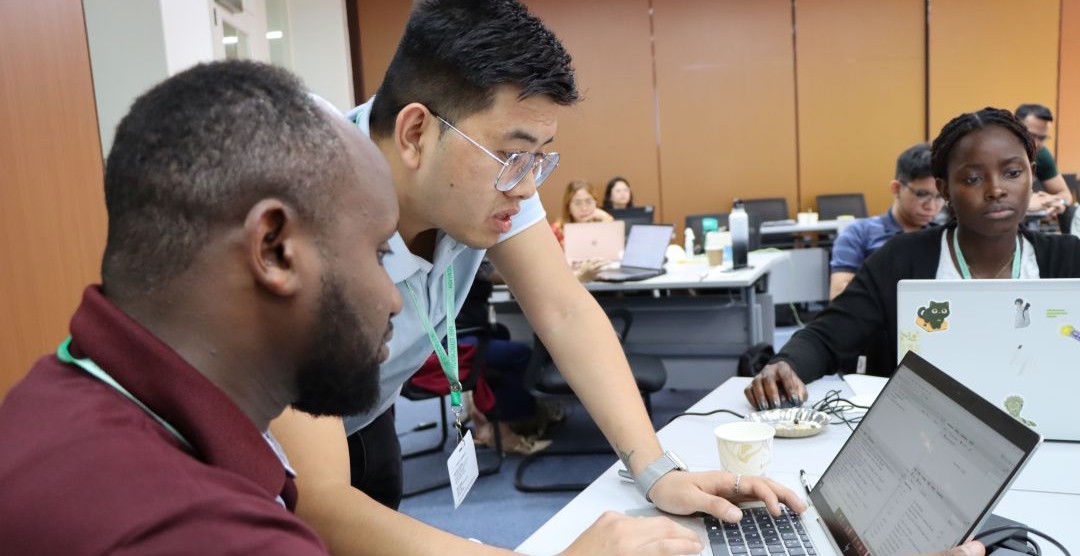
Los Baños, Laguna, Philippines (11 July 2025) — Measurable impacts are essential in policy and program development to achieve transparency and accountability. Impact evaluation plays a crucial role in determining whether a particular intervention has made a difference.
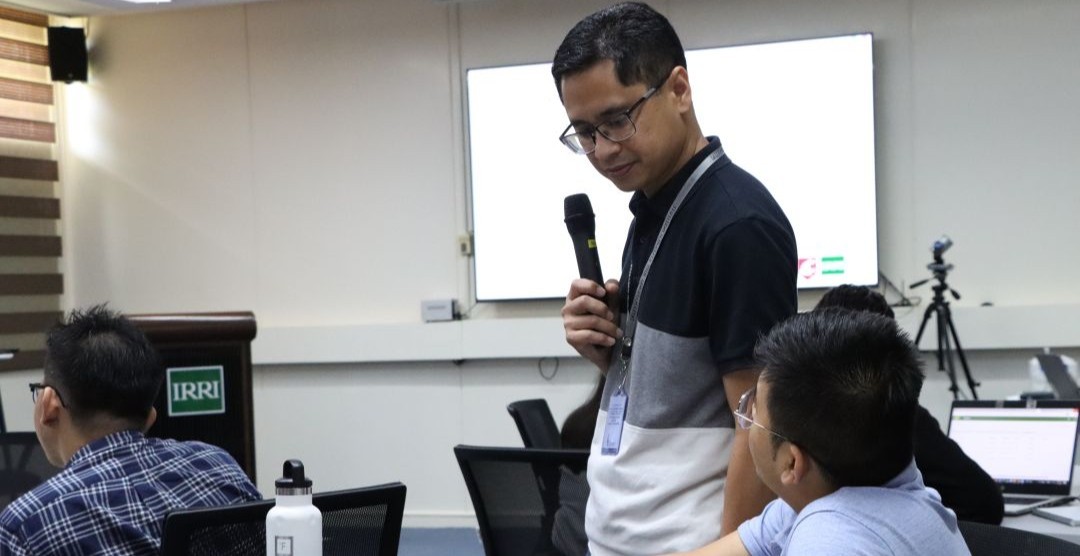
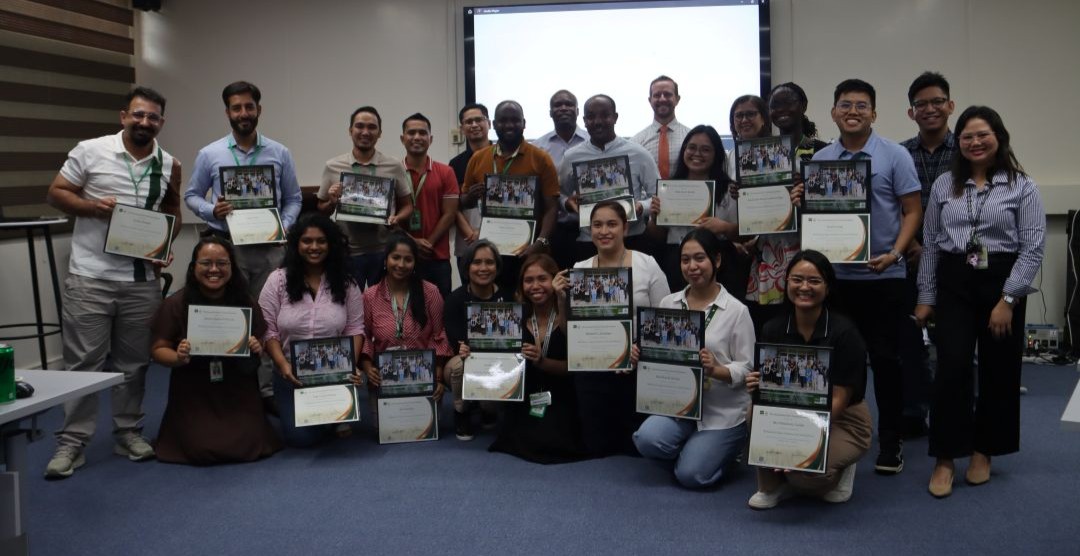
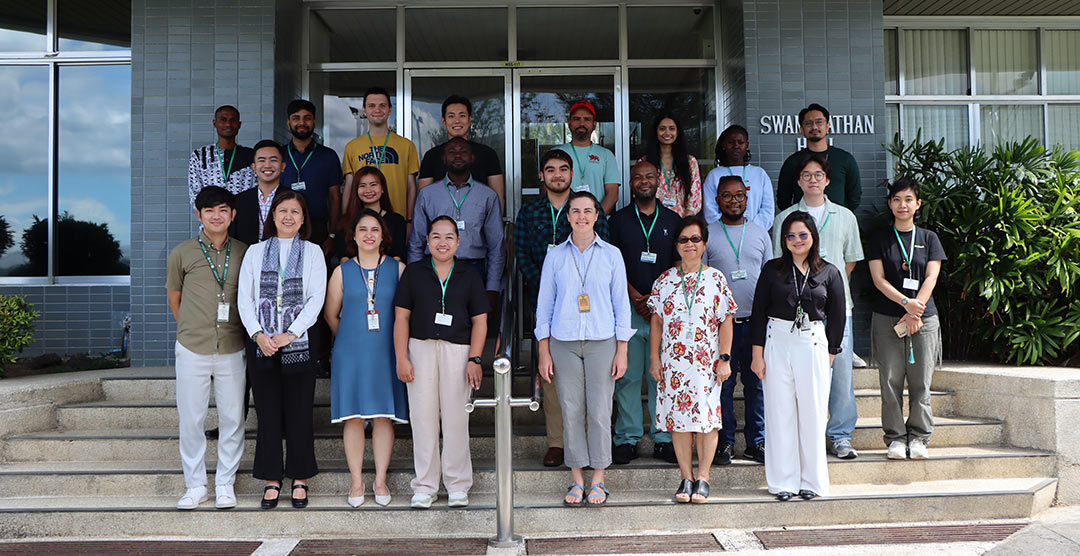
This was the core focus of IRRI’s Workshop on Impact Evaluation and Causal Inference held from 8 to 11 July 2025 in IRRI’s Headquarters. This four-day training equipped participants with tools to assess the effectiveness of interventions. Impact evaluation focuses not only on outcomes but also on attribution, whether the observed changes in target key indicators can be confidently linked to the intervention itself. This approach helps guide decisions on which programs should be scaled, redesigned, or discontinued. The course addressed a key challenge faced by development professionals: how to generate credible evidence about what works, why it works, and at what cost.

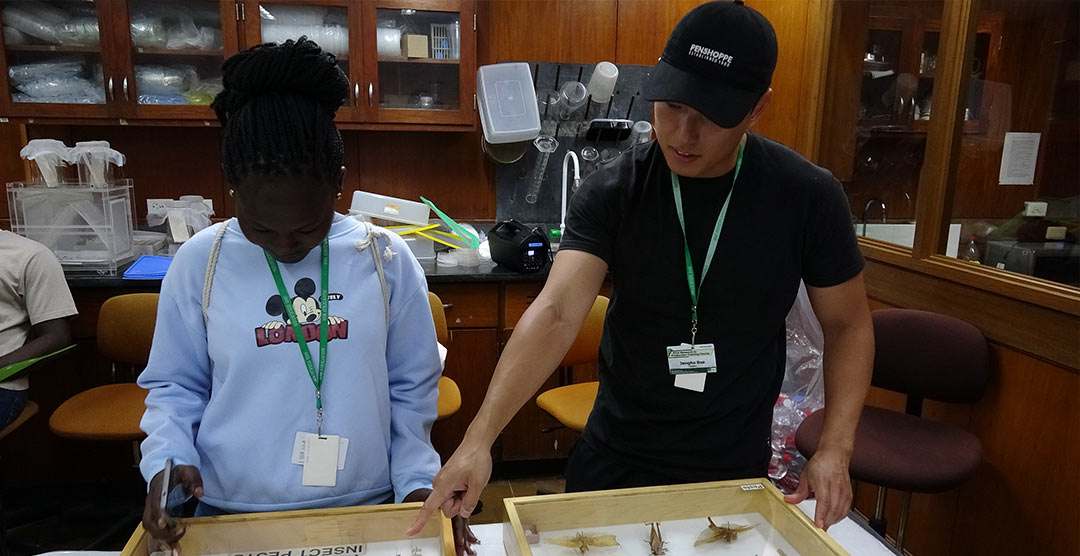
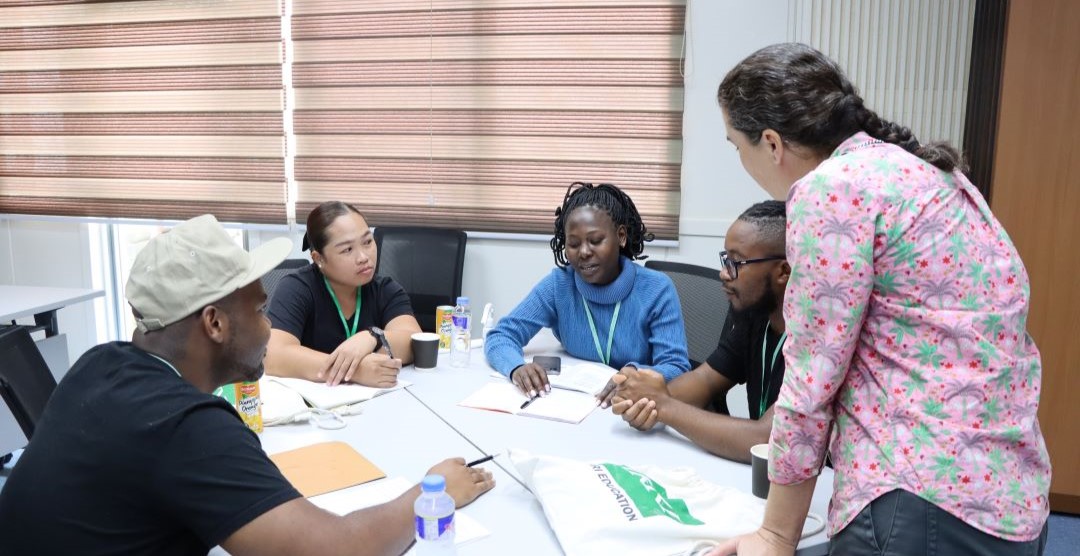
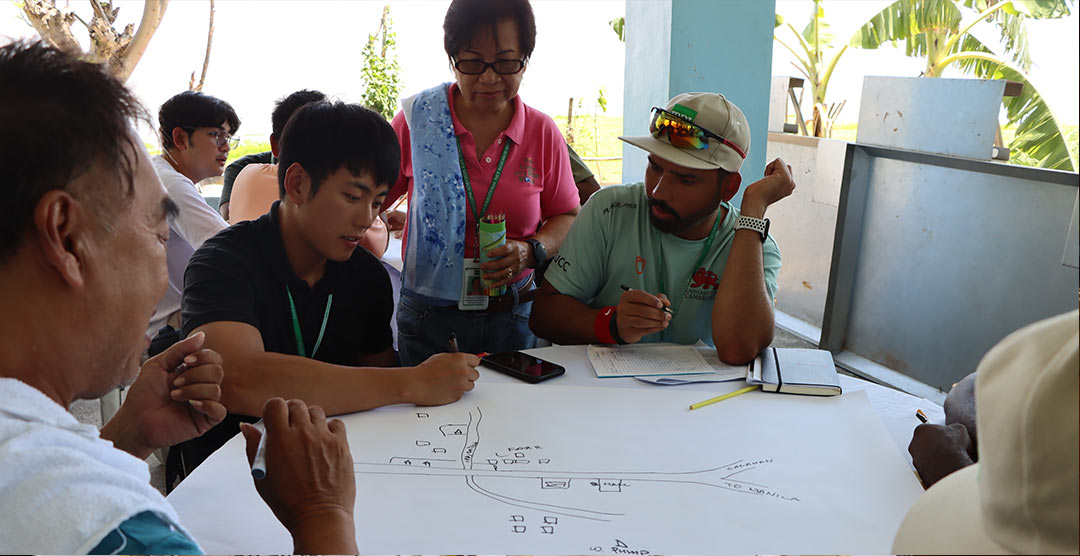
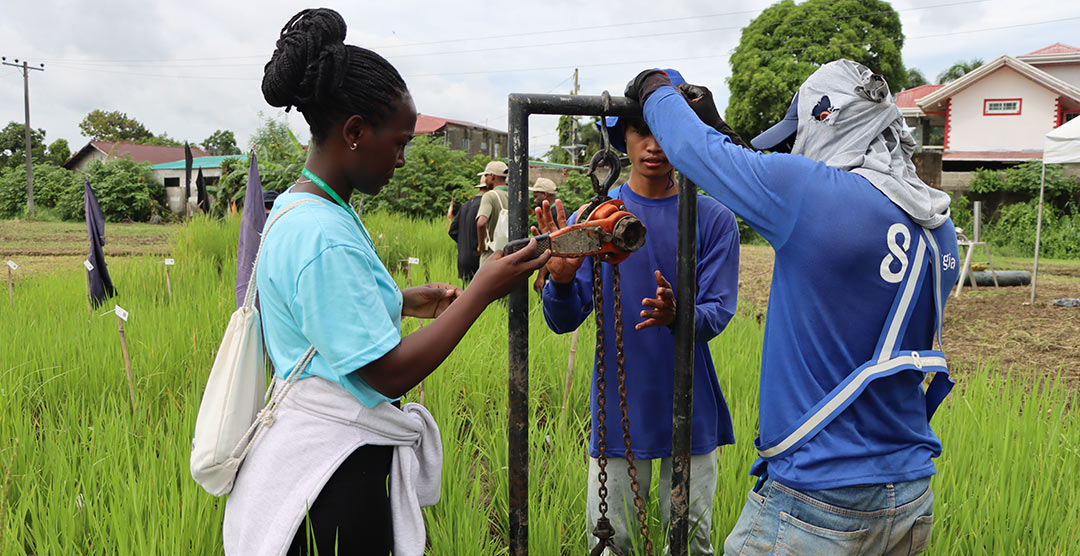
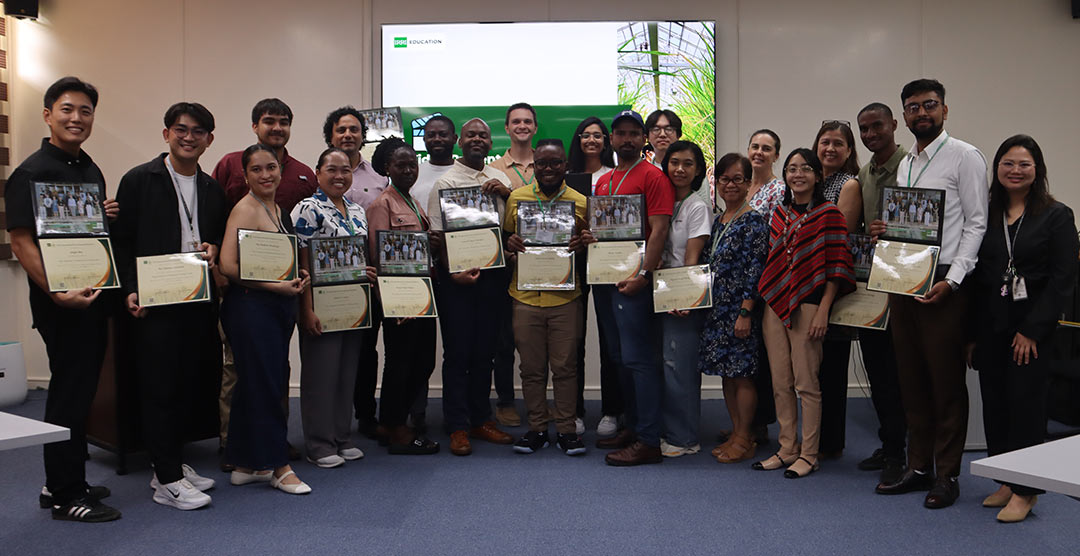
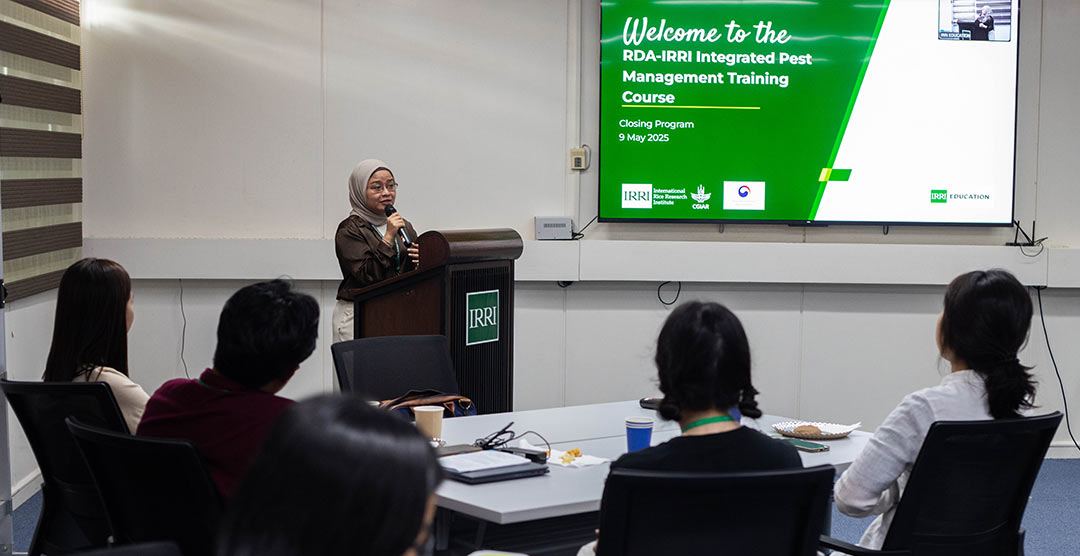
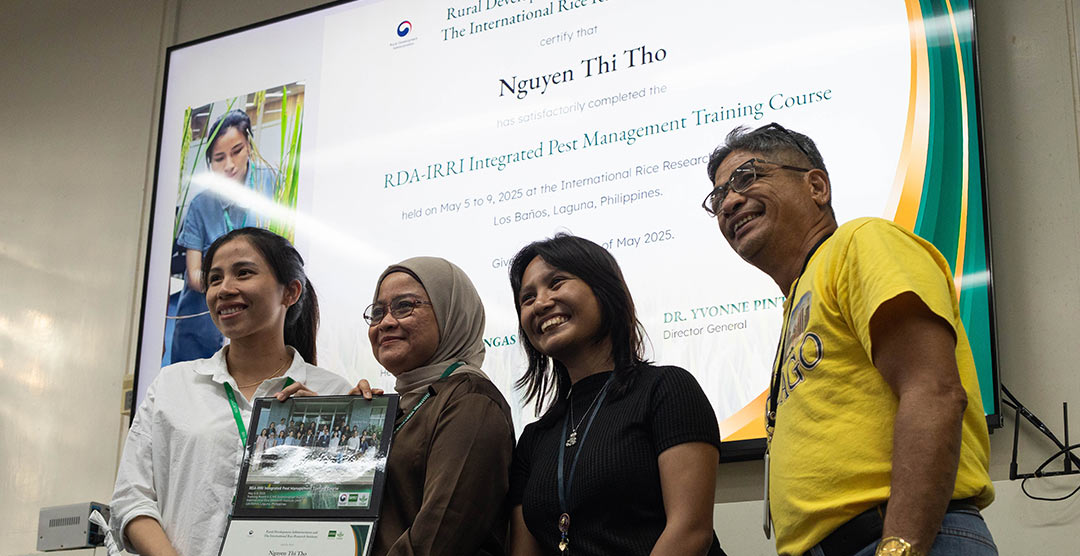
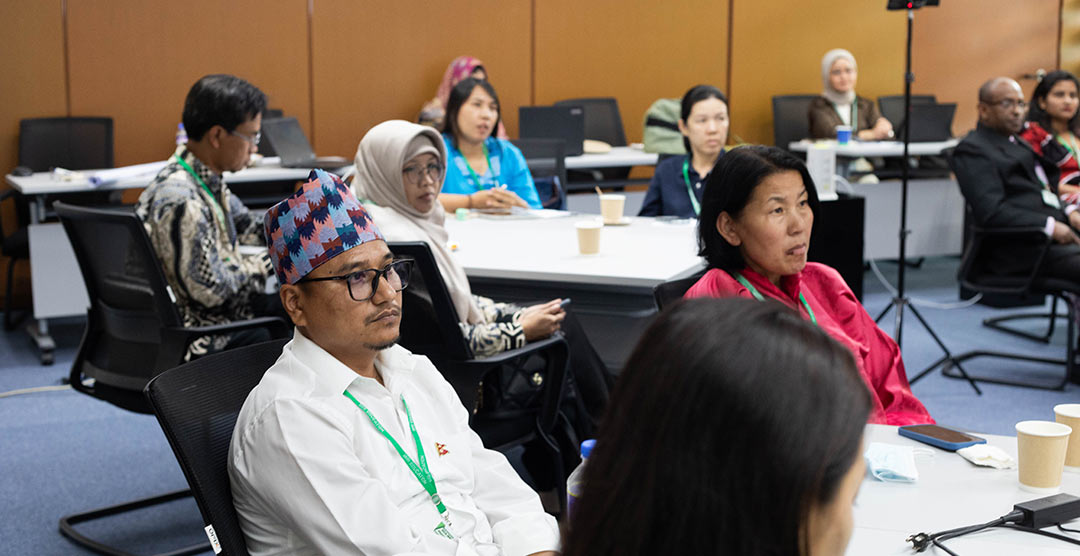
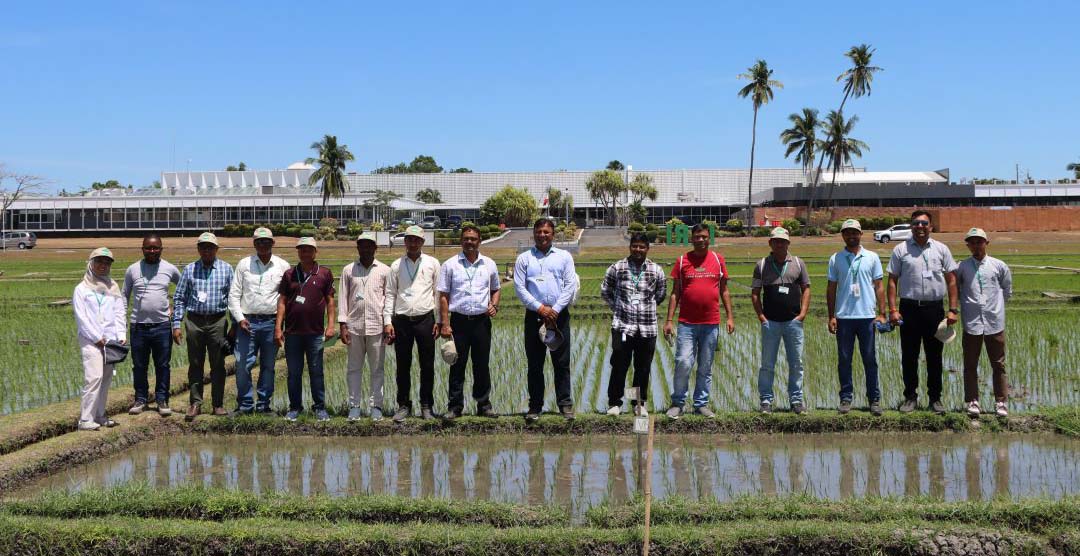
 The participants were introduced to the One IRRI Rice Breeding Strategy and its role in global rice breeding. Compared to traditional, fragmented breeding efforts, this strategy aims to unify efforts by setting standards and efficient resource management among local and international partners. Basically, this will speed up the breeding process of nutritious and market-preferred rice varieties which are also climate-resilient. This crop breeding strategy can also be replicated in similar crops. Dr. Jauhar Ali, Principal Scientist and Hybrid Rice Breeder at IRRI, served as one of the lead instructors. “How do we produce more from less? This is the challenge we face,” he said. “We need to increase production while reducing inputs like fertilizers and pesticides.” Dr. Ali emphasized the potential of hybrid rice to improve resource use efficiency and equip researchers to address global food security challenges more sustainably. Hybrid rice is a type of rice which is produced from two genetically different parents which commonly result in higher yielding varieties.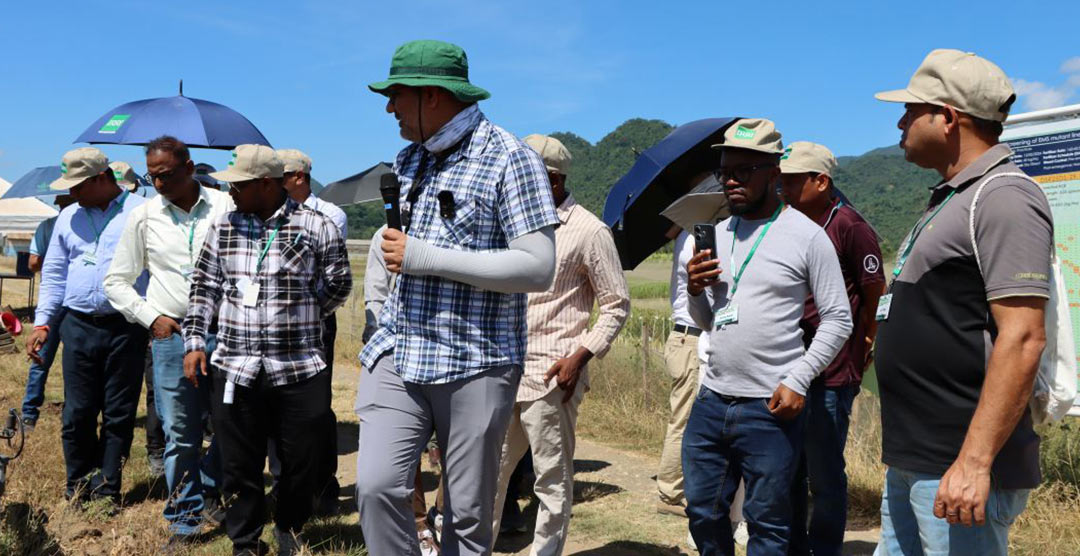
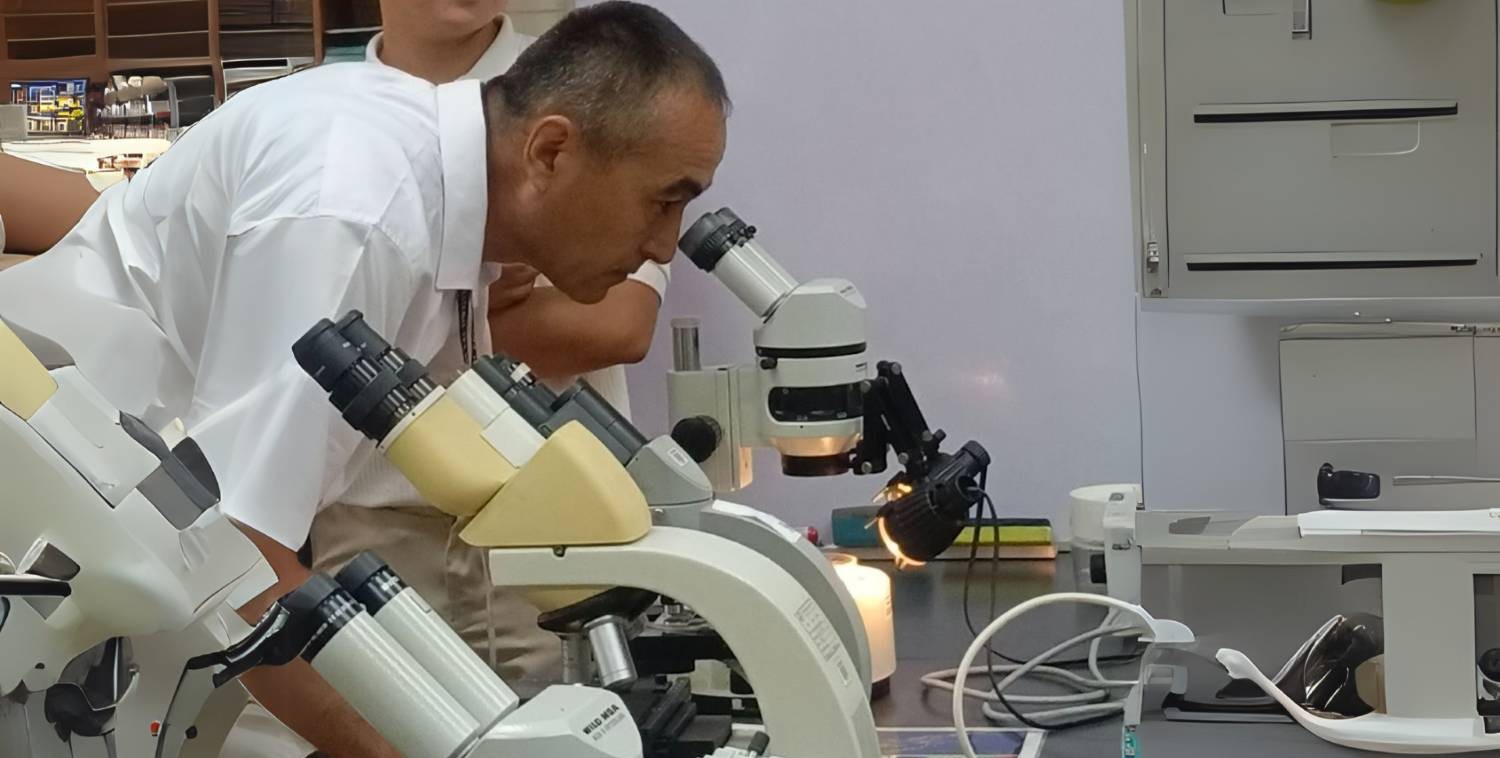
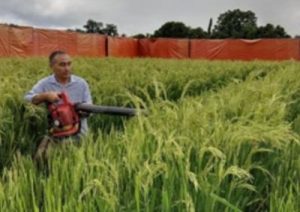 Facilitated by IRRI Education in collaboration with the Rice Breeding Innovation Department, the training was designed to provide an in-depth, hands-on experience. The first month focused on hybrid rice breeding, including floral biology, hybridization techniques, and field visits. Sessions on seed production practices such as transplanting of A, B, and R lines, GA₃ application, and pollination methods, followed this. From October to December 2024, the researchers concentrated on hybrid rice cultivation and were exposed to performance trials, socio-economic impacts, and improved cultivation strategies.